Organic Modern Art Explained
Some interiors feel designed. Others feel like they simply happened, gradually, in the right direction. Organic modern is firmly the second kind: a style built on natural materials, soft forms and a deliberate lack of rigidity, even though every part of it is, in fact, carefully considered.
This guide explains what organic modern art is, where it comes from, and how it functions within the wider organic modern interior style. For the art side specifically, see organic abstract art and why it feels so calm.
What Is Organic Modern Art?
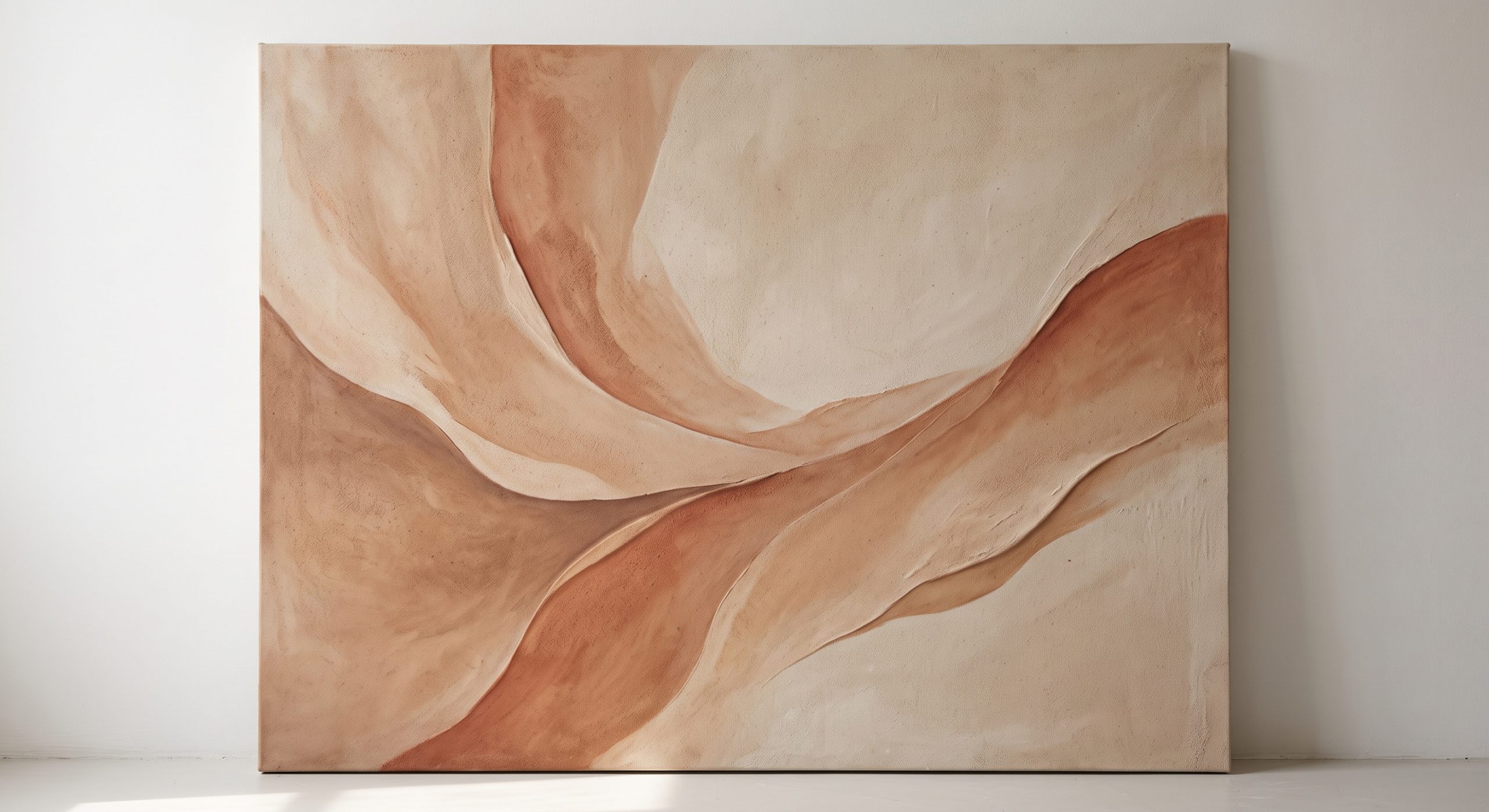
Organic modern art is artwork that pairs the clean, uncluttered sensibility of modern design with forms, materials and colours drawn from the natural world. It avoids both the coldness sometimes associated with strict minimalism and the visual noise of maximalism, aiming instead for something warm, calm and quietly considered.
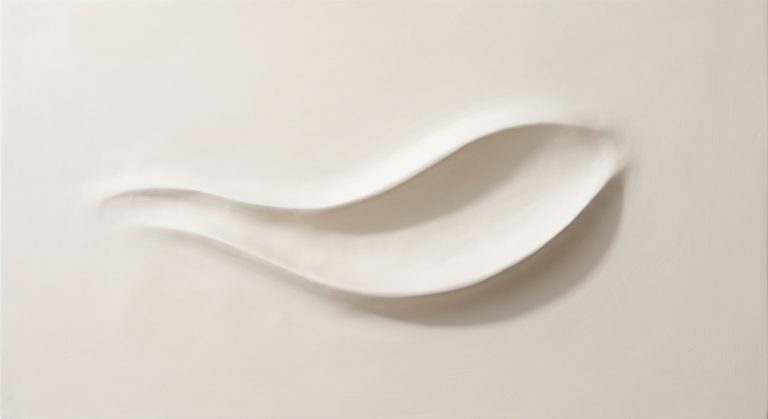
Visually, it tends to favour curved and irregular shapes over hard geometry, muted earthy colour over saturated brights, and matte, tactile surfaces over anything glossy or highly finished.
Where Organic Modern Comes From
Organic modern design draws on several earlier influences. Mid-century designers experimented with curved, biomorphic furniture forms inspired by nature. Scandinavian design contributed an emphasis on natural materials, light and function. More recently, the style has absorbed ideas from Japandi and wabi-sabi, particularly the appreciation of natural imperfection and handmade quality. See what Japandi art is and wabi-sabi art for those specific threads.
The result is less a single historical movement than a current sensibility, one that blends these earlier ideas into a look that feels distinctly of the present moment.
The Qualities of Organic Modern Art
Curved, natural-feeling forms
Shapes tend to echo things found in nature: pebbles, water, eroded stone, plant forms, without depicting any of them literally. Hard angles are rare.
Muted, earthy colour
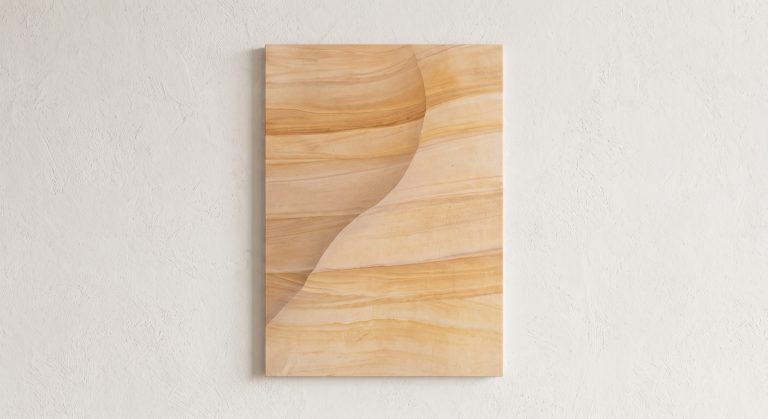
Sand, clay, oatmeal, soft sage, warm stone. See warm neutral wall art for this palette in more depth.
Matte, tactile surfaces
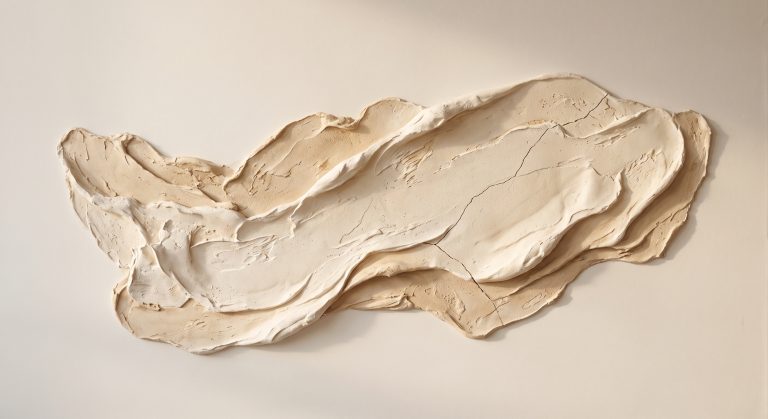
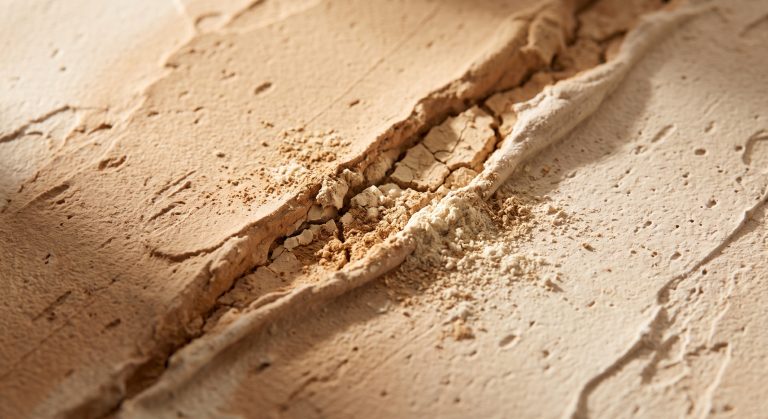
Texture is welcomed rather than smoothed away. Plaster-like surfaces, raw paper, linen weave and other tactile finishes all suit the style. See plaster art and what is textured wall art.
Generous negative space
Compositions tend to leave room to breathe rather than filling every part of the surface. See negative space in abstract art.
A handmade, slightly imperfect quality
Perfectly uniform, machine-precise surfaces feel out of step with organic modern. A little variation reads as authentic rather than as a flaw.
Organic Modern vs Related Styles
- Organic modern vs minimalist: minimalism prioritises reduction above all else and can feel quite austere; organic modern is calm but warmer and more textural. See what minimalist art is.
- Organic modern vs Japandi: the two overlap heavily. Japandi specifically blends Japanese and Scandinavian influences; organic modern is a broader, less culturally specific umbrella that Japandi sits within.
- Organic modern vs boho: both value natural materials, but boho tends to be more layered, patterned and maximal, while organic modern stays closer to a clean, uncluttered base.
Organic Modern Art in a Room
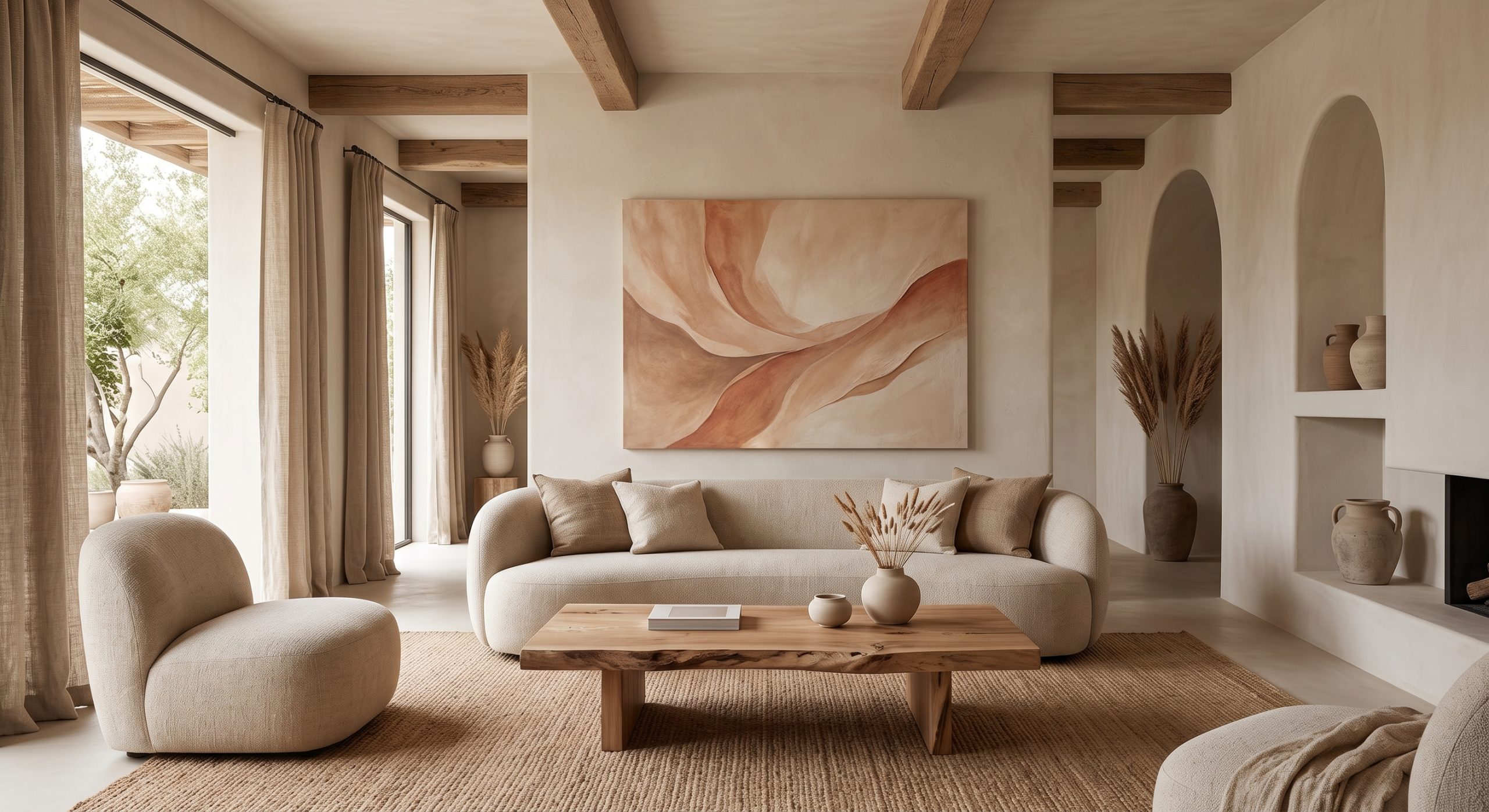
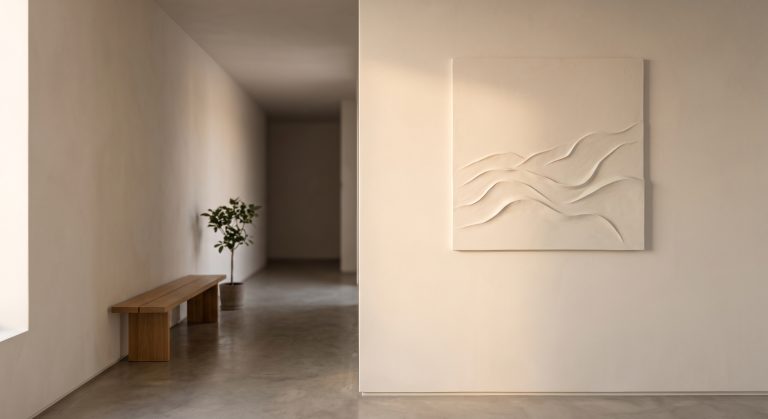
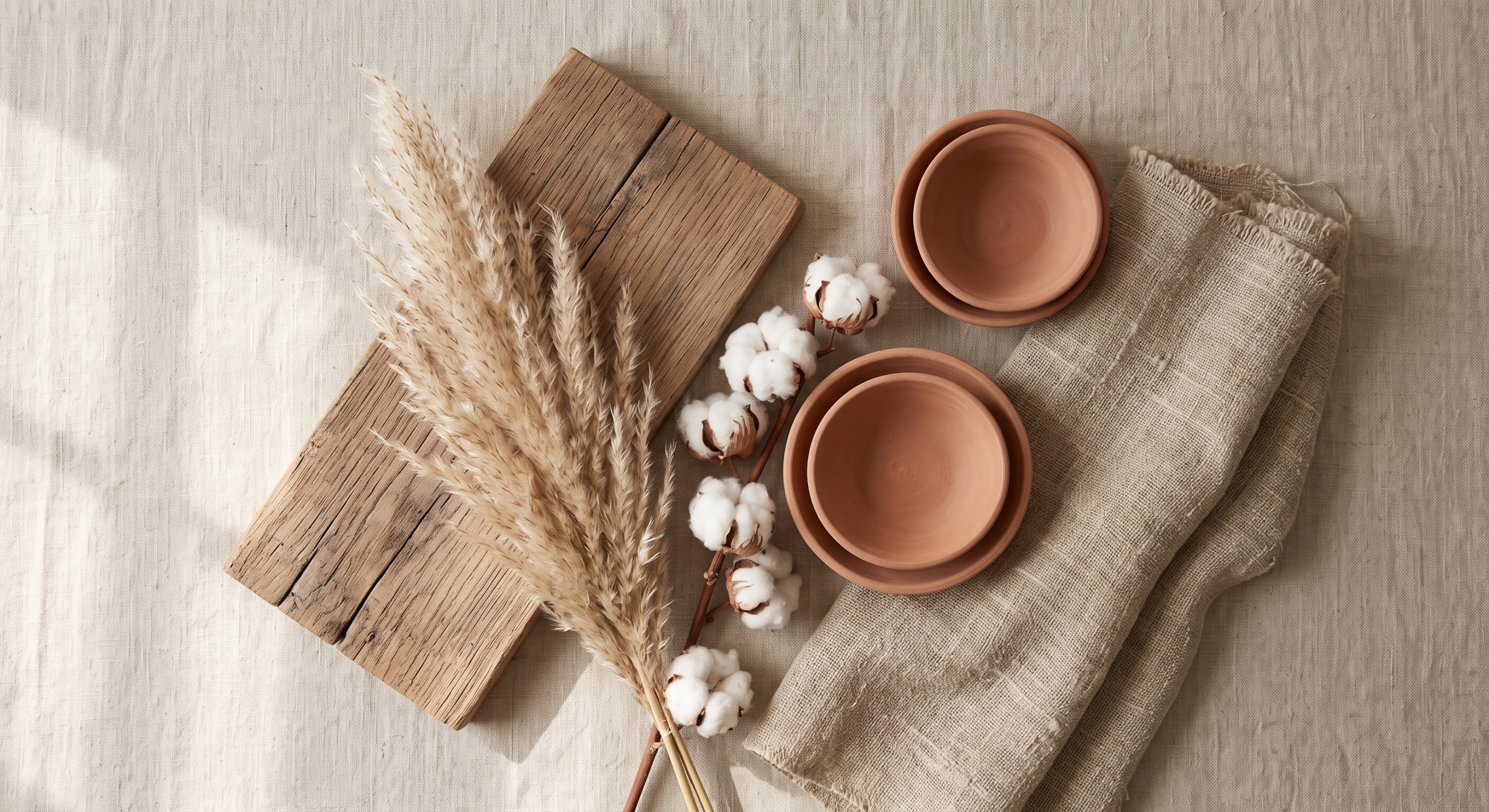
Organic modern art pairs naturally with curved furniture silhouettes, natural wood tones, linen and boucle textiles, and a generally uncluttered layout. It tends to work best as one or two considered pieces rather than a dense gallery wall, in keeping with the style’s overall restraint.
Choosing Organic Modern Art
- Look for soft, natural-feeling forms rather than sharp geometry.
- Choose a muted, earthy palette that echoes materials already in the room.
- Favour matte, tactile surfaces over glossy or highly finished ones.
- Allow for a little imperfection; it’s part of the style’s honesty, not a flaw to avoid.
Final Thoughts
Organic modern art succeeds by not trying too hard. It borrows its forms and colours from the natural world, keeps its surfaces honest, and leaves enough space for the room to breathe around it. The effect is a style that looks effortless, even though, like most things worth having, it rarely is.