Plaster Art: What It Is and Why It Works in Modern Interiors
Plaster has been used to finish walls for thousands of years, long before it ever became the material of choice for contemporary wall art. That history matters, because part of what makes plaster art feel so right in a modern interior is that it isn’t trying to imitate anything. It’s simply the same material the walls themselves are often made of, given a more deliberate shape.
This guide explains what plaster art is, why it suits modern interiors so well, and how to choose and place it. For the broader category of surface-led art, see what is textured wall art.
What Is Plaster Art?
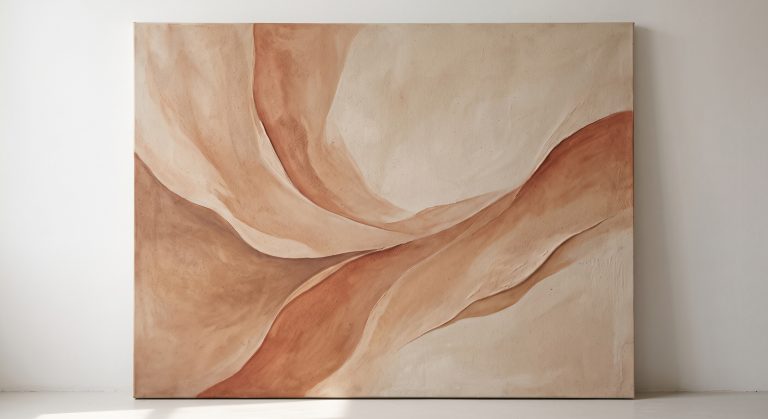
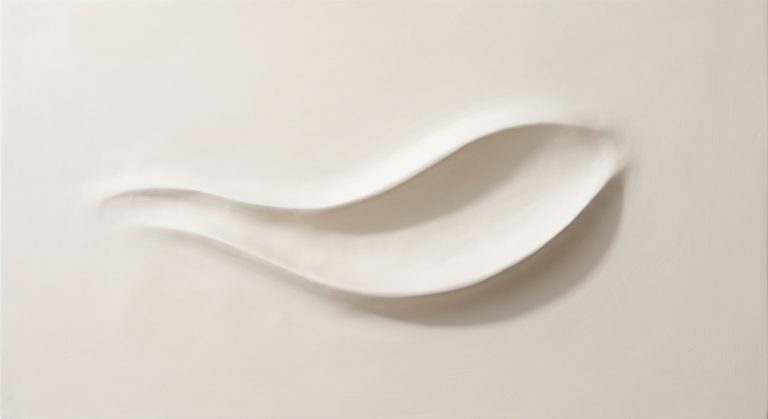
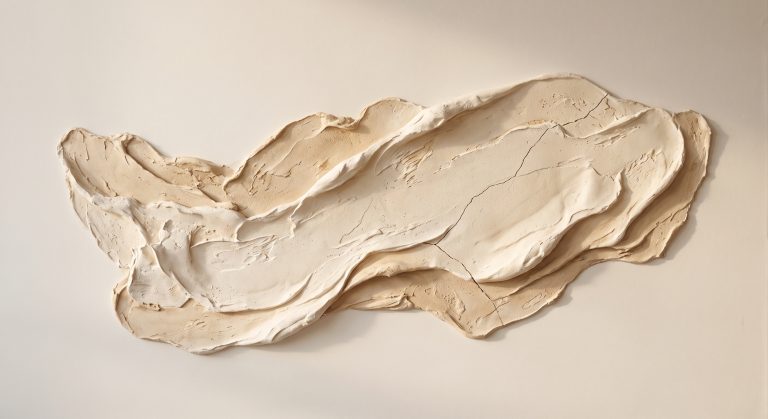
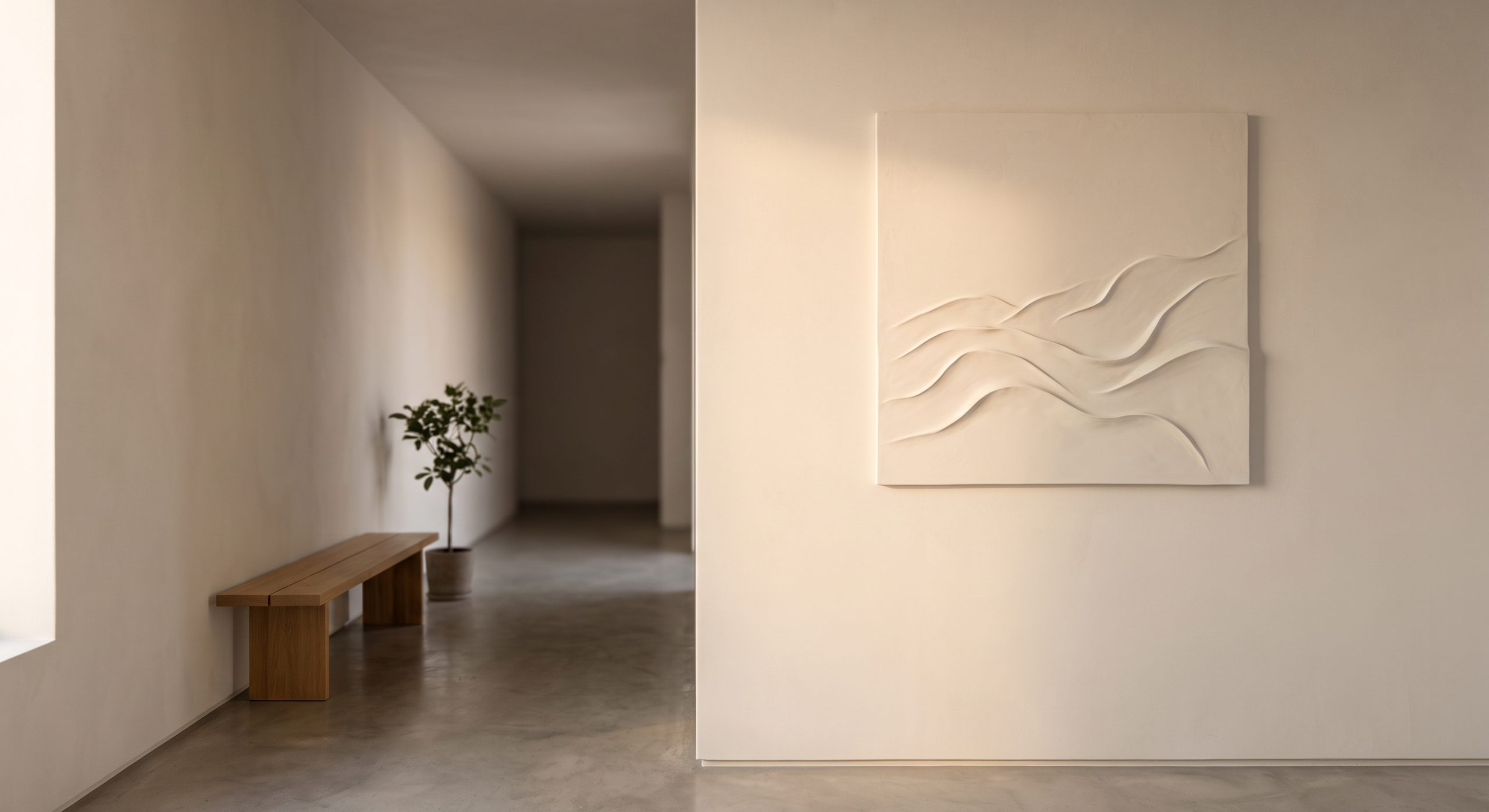
Plaster art is artwork made primarily from plaster or lime-based mediums, applied in layers to build up a genuinely three-dimensional surface. Unlike paint, which sits as a thin film, plaster has real body. It can be built up, carved back, smoothed, or left with visible tool marks, and the result behaves more like a small piece of architecture than a picture.
A Material With a Long History
Lime plaster has been used in construction and decoration for millennia, valued for its durability, breathability and the soft, slightly variable finish it produces compared with more uniform modern materials. Traditional lime plastering techniques, including polished finishes such as Venetian plaster, have long been prized for the depth and subtle variation they bring to a wall.
Contemporary plaster art borrows that same material sensibility but applies it as a standalone piece rather than a whole-wall finish, which makes the quality of real plaster available on a smaller, more flexible scale.
What Makes Plaster Feel Right in Modern Interiors
- It’s inherently matte and calm. Plaster doesn’t reflect light the way glossy materials do, which suits the restrained, quiet mood of contemporary neutral interiors.
- It has natural variation. No two areas of a hand-applied plaster surface are perfectly identical, which gives it a handmade quality that flat, uniform materials lack.
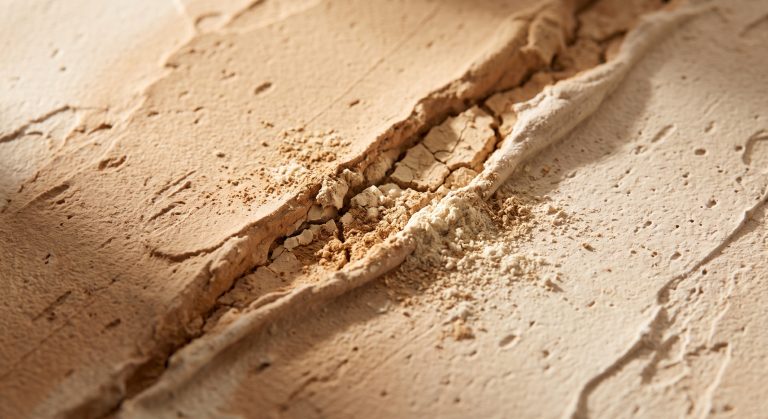
- It ages honestly. Small imperfections and fine cracking tend to look intentional on plaster in a way they wouldn’t on a painted surface, connecting it to the sensibility described in wabi-sabi art.
- It shares a language with the room. Plaster walls, lime-washed finishes and plaster art all speak the same material dialect, so they reinforce each other rather than competing.
How Plaster Art Is Made
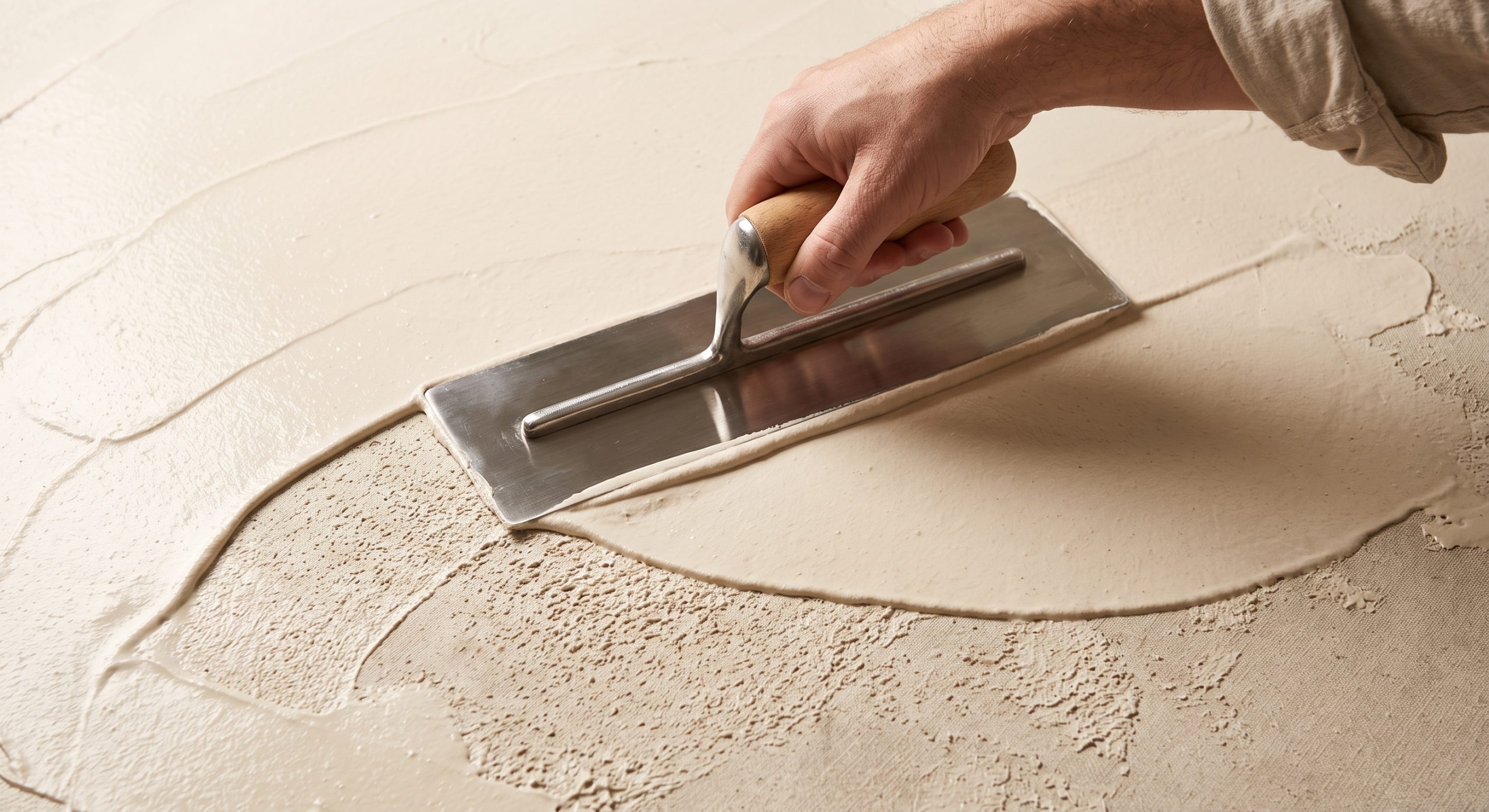
Most plaster art is built up in layers, often with a trowel or palette knife, allowing each layer to partially or fully dry before the next is applied. Artists work with the material’s natural tendency to crack, settle and catch the light, sometimes encouraging it, rather than fighting against it. Pigment can be mixed directly into the plaster or applied afterward, which changes how deeply the colour sits within the surface.
Colour in Plaster Art
Plaster’s natural palette runs through warm and cool neutrals: ivory, oatmeal, sand, warm grey, soft clay. See warm neutral wall art for how these tones behave in a room. Because the material itself already has visual interest, plaster art rarely needs strong colour to hold attention; a restrained palette usually serves it best.
Plaster Art in a Room
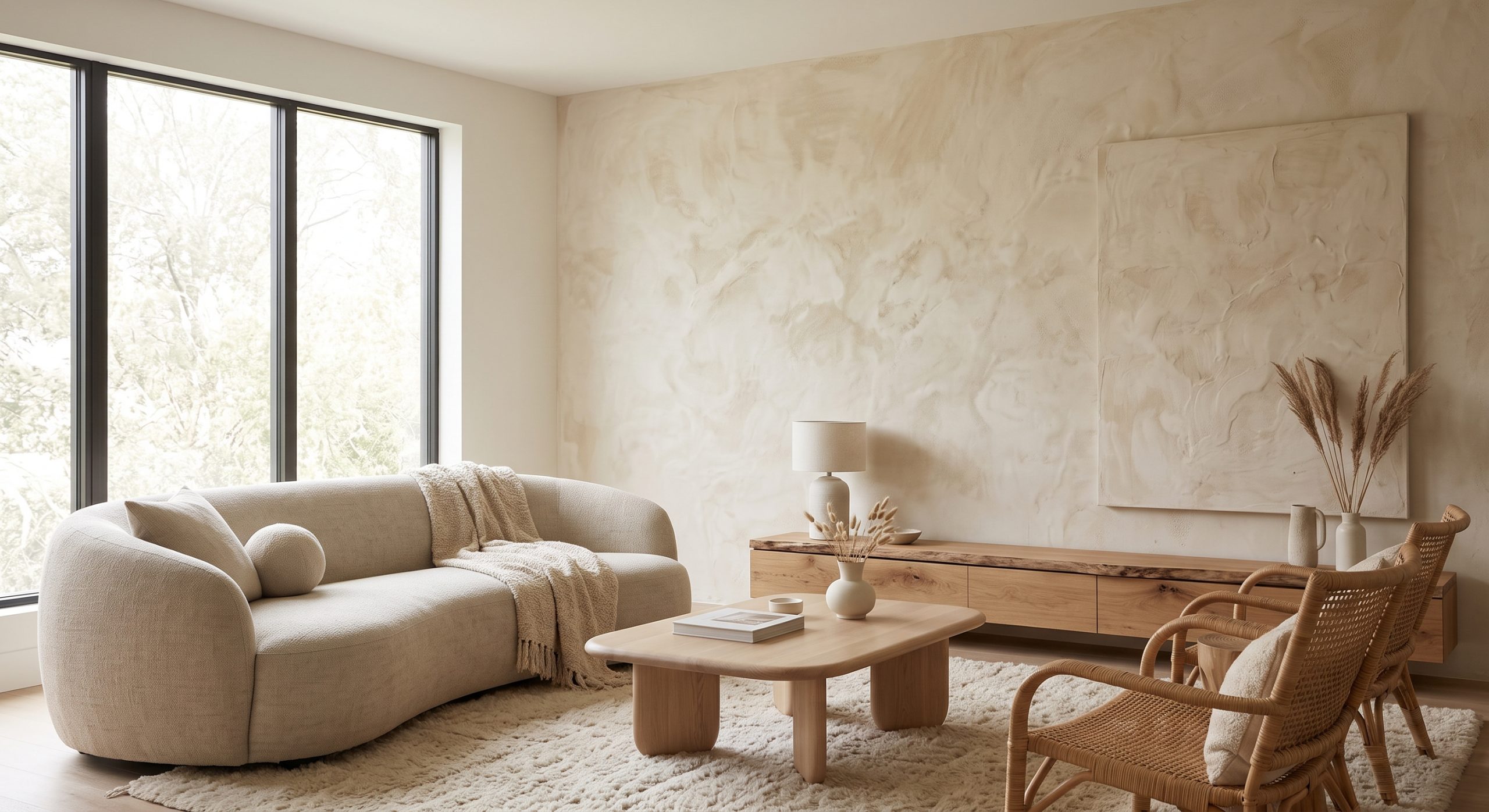
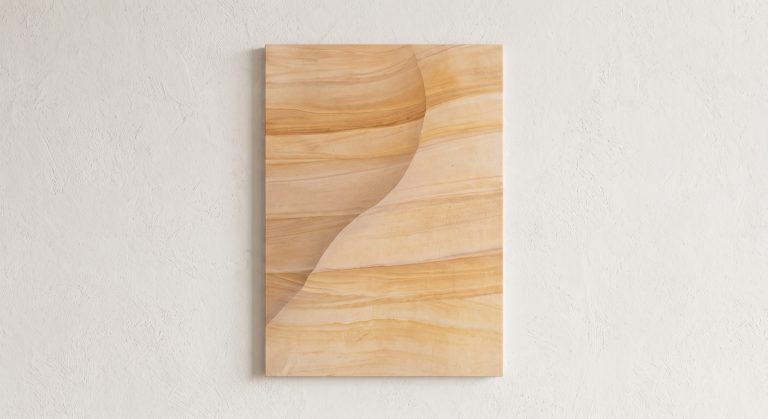
Plaster art pairs especially well with other natural, tactile materials: raw wood, linen, stone, unglazed ceramics. It suits organic modern, Japandi and wabi-sabi-influenced rooms particularly well, and it can sit comfortably even on a plain painted wall, where its texture provides contrast without needing a matching plastered surface behind it.
Caring for Plaster Art
Because plaster is a natural, somewhat porous material, it’s worth keeping plaster pieces away from direct moisture or very humid rooms, and dusting gently rather than wiping with a wet cloth. Handled sensibly, plaster art is durable and holds its character for a long time, often improving in appearance as very fine surface changes develop.
Choosing Plaster Art
- Look for genuine layered build-up, not a flat print styled to resemble plaster.
- Favour a restrained palette that lets the material’s natural texture do the work.
- Consider the room’s other materials, and look for a piece that speaks the same language.
- Check the piece’s care requirements before placing it somewhere very humid or exposed.
Final Thoughts
Plaster art works because it doesn’t pretend to be anything other than what it is: a wall material, shaped with intention. In a room already built from calm, natural materials, it doesn’t just complement the space. It belongs to it.