Calm Artwork Ideas for a Peaceful Home
Everyone wants a calm home. Fewer people stop to ask what makes a piece of art feel calm.
The answer is rarely the subject. A stormy sea painted in soft tones can feel quieter than a bright meadow with harsh contrast. Calm comes from a set of visual qualities that you can learn to see and choose on purpose.
This guide explains what makes artwork feel calm, offers eight ideas you can use, and shows how to place them so a room feels peaceful rather than merely tidy. For the wider palette context, see what neutral wall art is.
What Makes Artwork Feel Calm?
Artists and designers point to several qualities, and while responses to art are personal, many people find these consistently restful.
Soft contrast
Harsh contrast pulls the eye quickly and tires it. Gentle transitions between tones let the eye drift.
Muted, low-saturation colour
Pale greys, warm whites, sand, faded sage and soft blues feel quieter than strong, saturated colours. See how colour changes the feeling of abstract art.
Curves over sharp angles
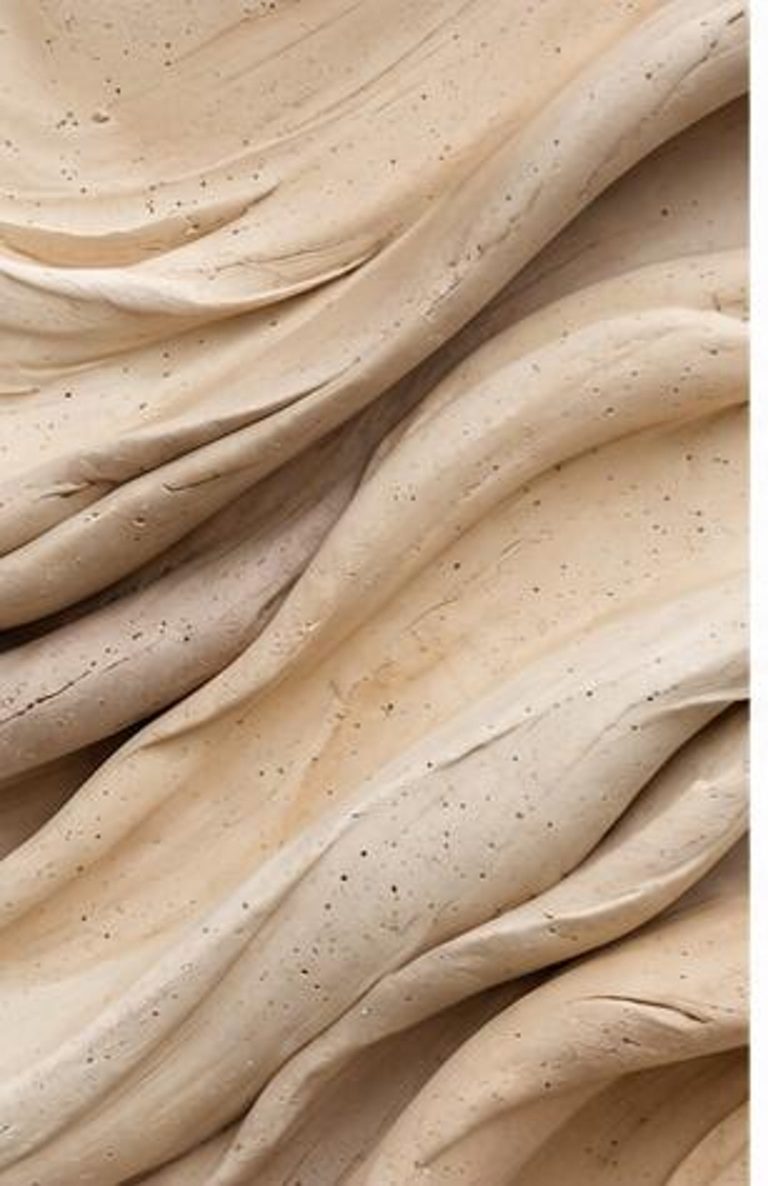
Flowing forms slow the eye. That is part of why organic abstract art feels so restful.
Generous empty space
Room around a mark gives the eye a place to rest. See negative space in abstract art.
Horizontal emphasis
Horizontal lines and bands suggest stillness, like a horizon. Strong diagonals tend to suggest movement and tension.
Balance
A composition that feels settled is easier to live with. See understanding balance in abstract art.
A matte, soft surface
Glare and gloss add visual noise. Matte finishes keep things quiet.
Eight Calm Artwork Ideas
1. Mist and haze abstracts
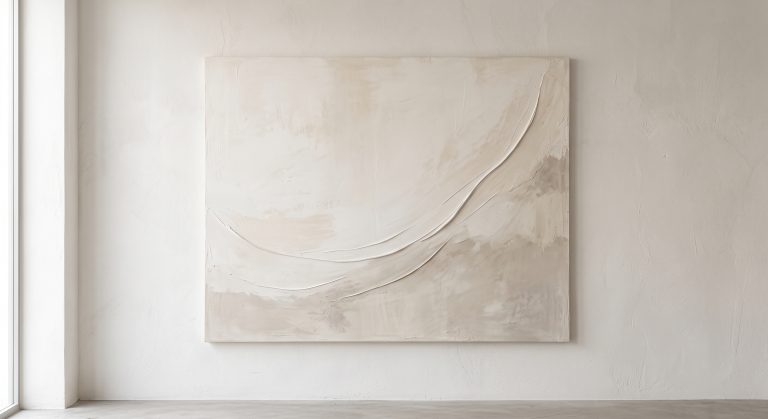
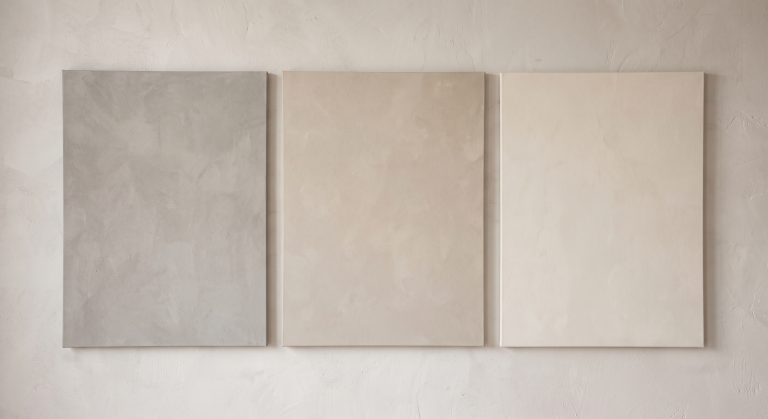
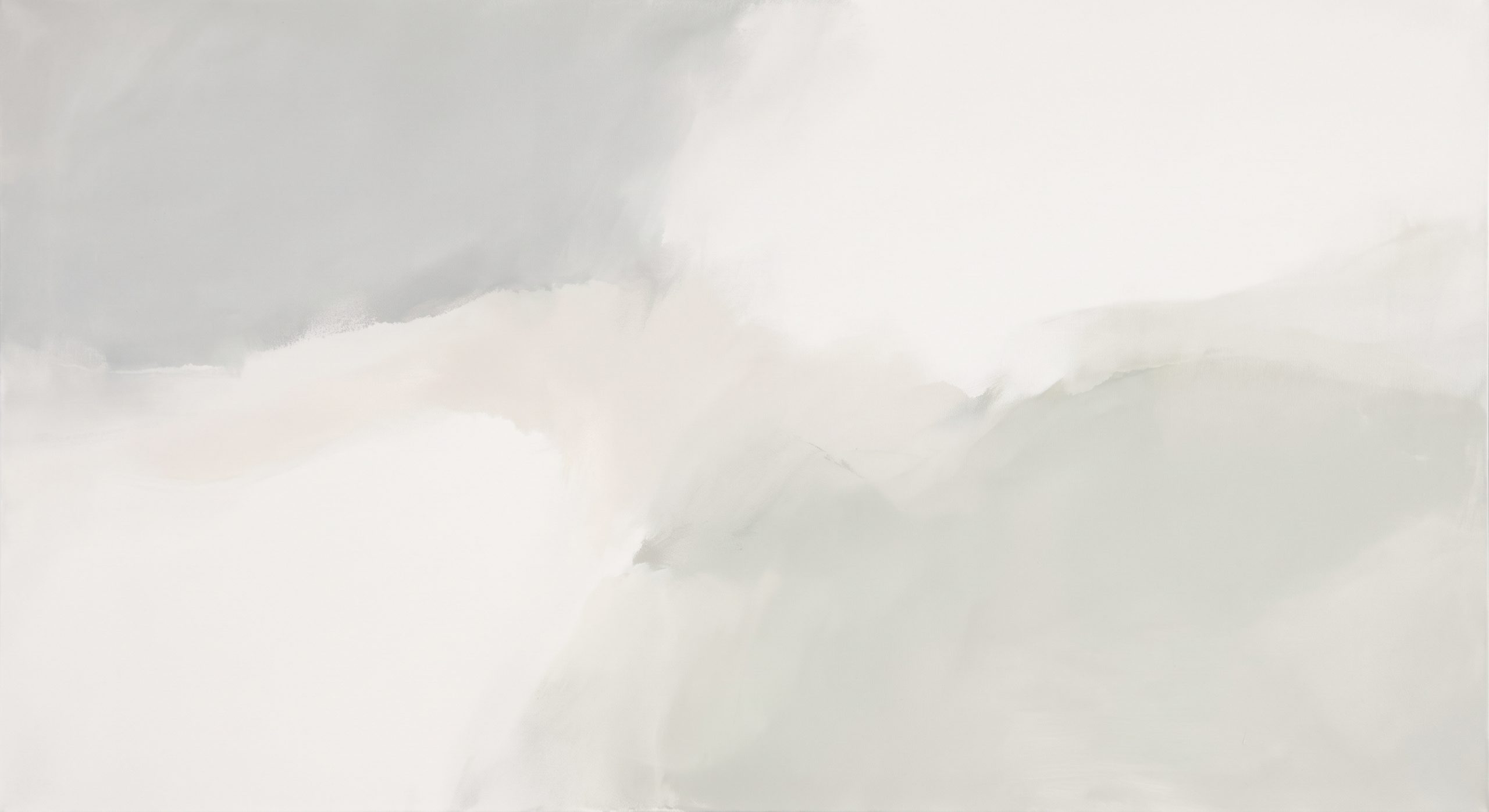
Soft, blended fields of pale grey, warm white and faint sage, with no hard edges. They feel like a foggy morning.
2. Horizon-inspired bands
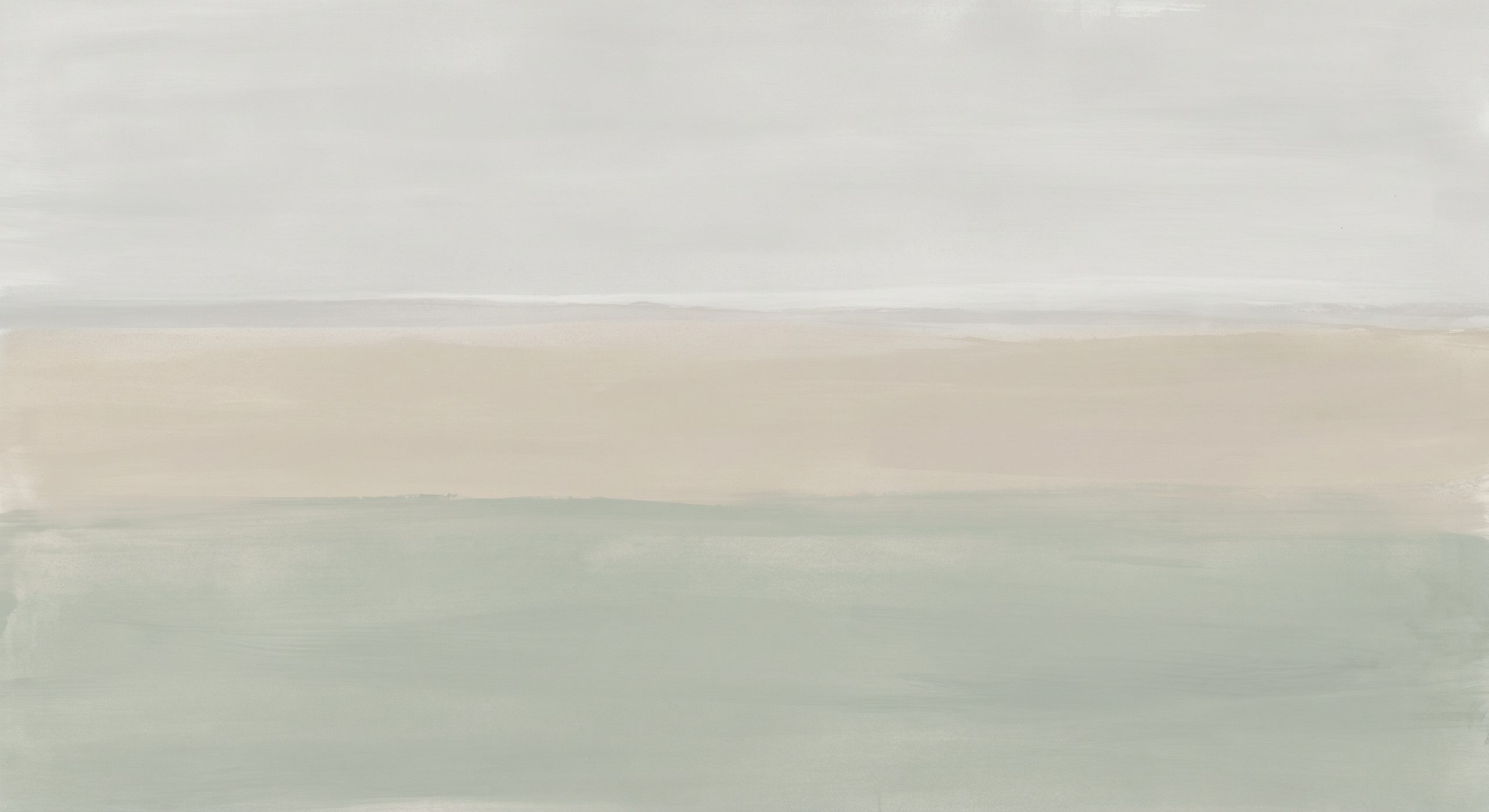
Horizontal bands in sand, grey and faded green, suggesting land, water and sky without depicting them.
3. Organic, pebble-like forms
Soft rounded shapes in earthy tones, calm and natural.
4. Minimal line art
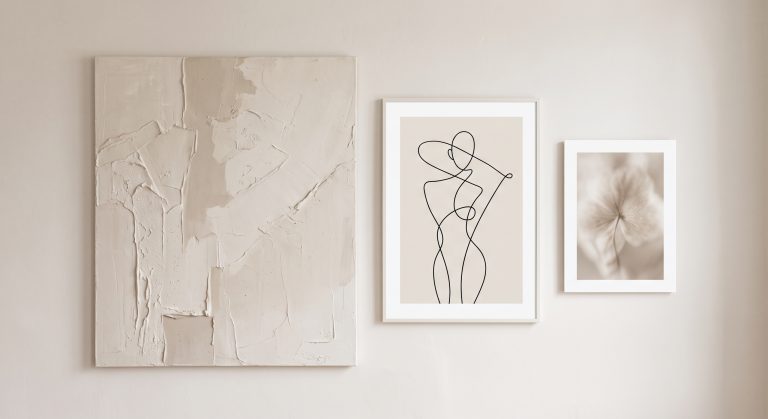
A single fine line on a pale ground. See minimalist line art and abstract line art ideas.
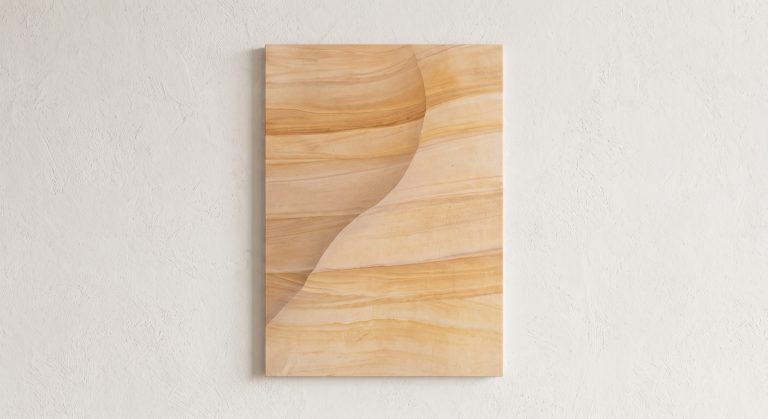
5. Sandstone and mineral-inspired pieces
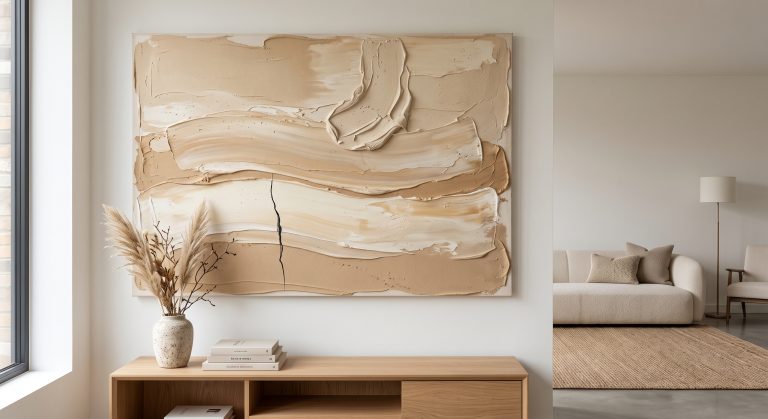
Layered, warm and quietly geological. See sandstone wall art ideas.
6. Sparse botanicals
A single stem, branch or seed head with plenty of white space.
7. Ripple and water-inspired abstracts
Gentle concentric or flowing forms that suggest water surfaces.
8. Japandi-style ink-wash pieces
One sweeping stroke and a lot of stillness. See what Japandi art is.
Calm Art by Room
- Bedroom: the lowest contrast and softest edges, above the bed or on the wall you see when you lie down
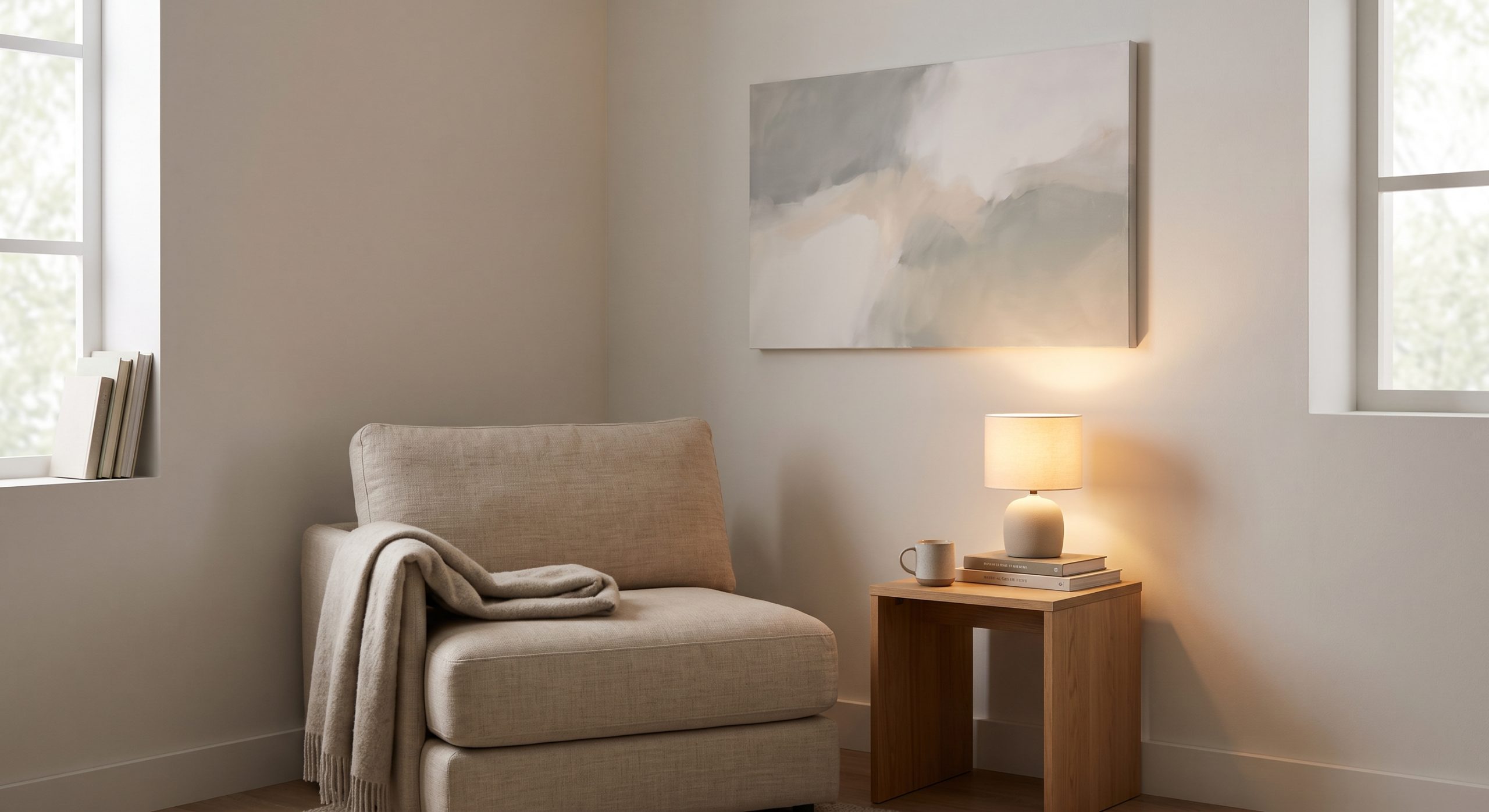
- Reading nook: a small, quiet piece with warm light nearby
- Living room: one large, restful piece rather than a busy gallery
- Bathroom: simple pieces with watery or misty tones, protected from steam
- Home office: gentle structure that does not compete with work
What to Avoid
- Busy compositions with dense detail everywhere
- Strong, sharp contrast, especially in bedrooms
- Saturated reds, oranges and electric colours in restful spaces
- Jagged diagonals and harsh angles
- High-gloss finishes that reflect light and clutter
Placing Calm Art
- Fewer pieces. One well-chosen piece is calmer than a wall of many.
- Enough space. Leave blank wall around each piece.
- Good scale. Art that is too small can look fussy on a large wall.
- Soft light. Warm, low lighting keeps subtle tones visible without glare.
For placement and scale, see how to choose abstract art for your home.
A Note on Expectations
Art can support a calm atmosphere, and many people find these qualities restful, but it is one part of a room among lighting, clutter, sound and comfort. Think of calm art as a contributor to a peaceful home, not a guarantee.
How to Choose
- Imagine the mood you want, not just the colour.
- Look for soft edges, low contrast and generous space.
- Choose a palette that suits the room’s undertones. See warm neutral wall art for warm palettes.
- Test it in your own light.
- Live with it for a few days before deciding.
Final Thoughts
Calm in art is a matter of craft: soft contrast, muted colour, gentle shapes and space to breathe.
Choose those qualities on purpose, give the piece room, and a room that already feels peaceful will feel a little more so.