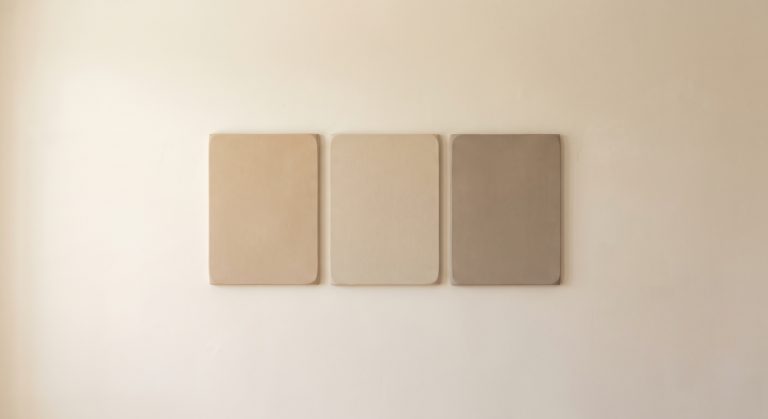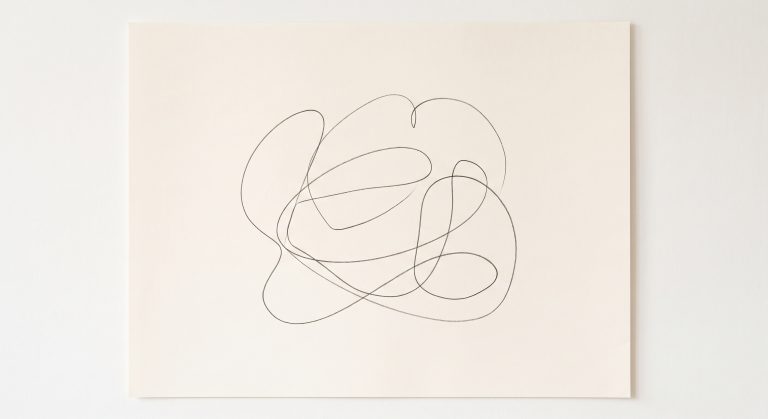
Wabi-Sabi vs Japandi: What’s the Difference?
Wabi-sabi and Japandi are often used as if they were the same thing. They share a mood, a palette and a love of natural materials, so it is an easy mistake to make.
But one is a philosophy and the other is a look, and the difference changes how you choose art.
This guide explains the two, shows where they diverge in practice, and gives you a simple way to tell which one you are looking at, or which one you actually want in your home. For background, see wabi-sabi art and what Japandi art is.
The Short Answer
Wabi-sabi is a Japanese way of seeing that finds beauty in imperfection, impermanence and age. It is centuries old and is about attitude more than appearance.
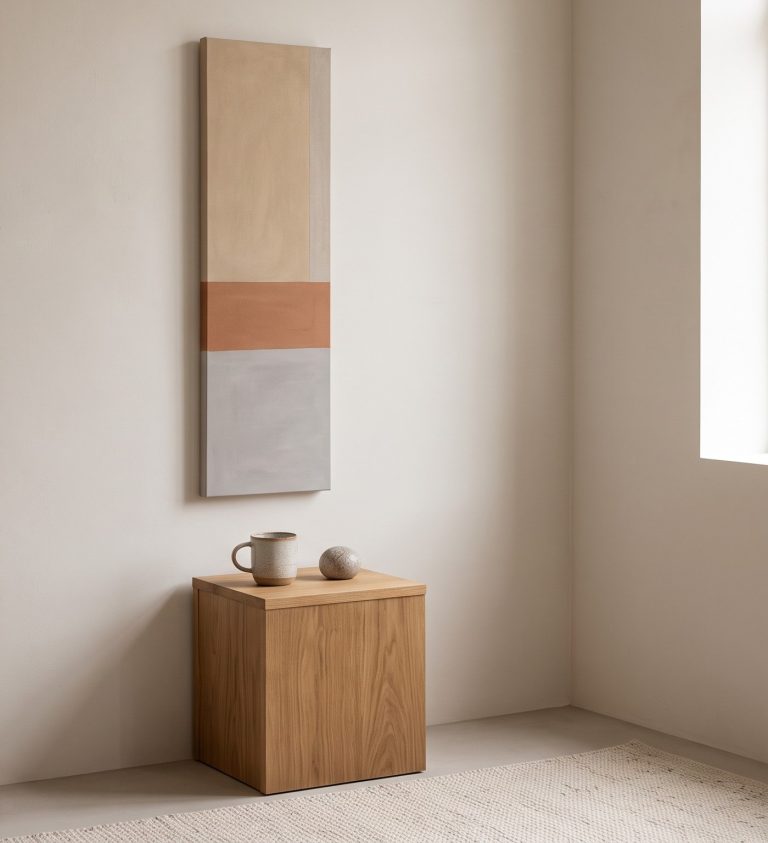
Japandi is a contemporary interior style that combines Japanese and Scandinavian design. It is about how a room looks and feels, and it borrows from wabi-sabi among other sources.
In one line: wabi-sabi is a lens, Japandi is a look.
Where Each One Comes From
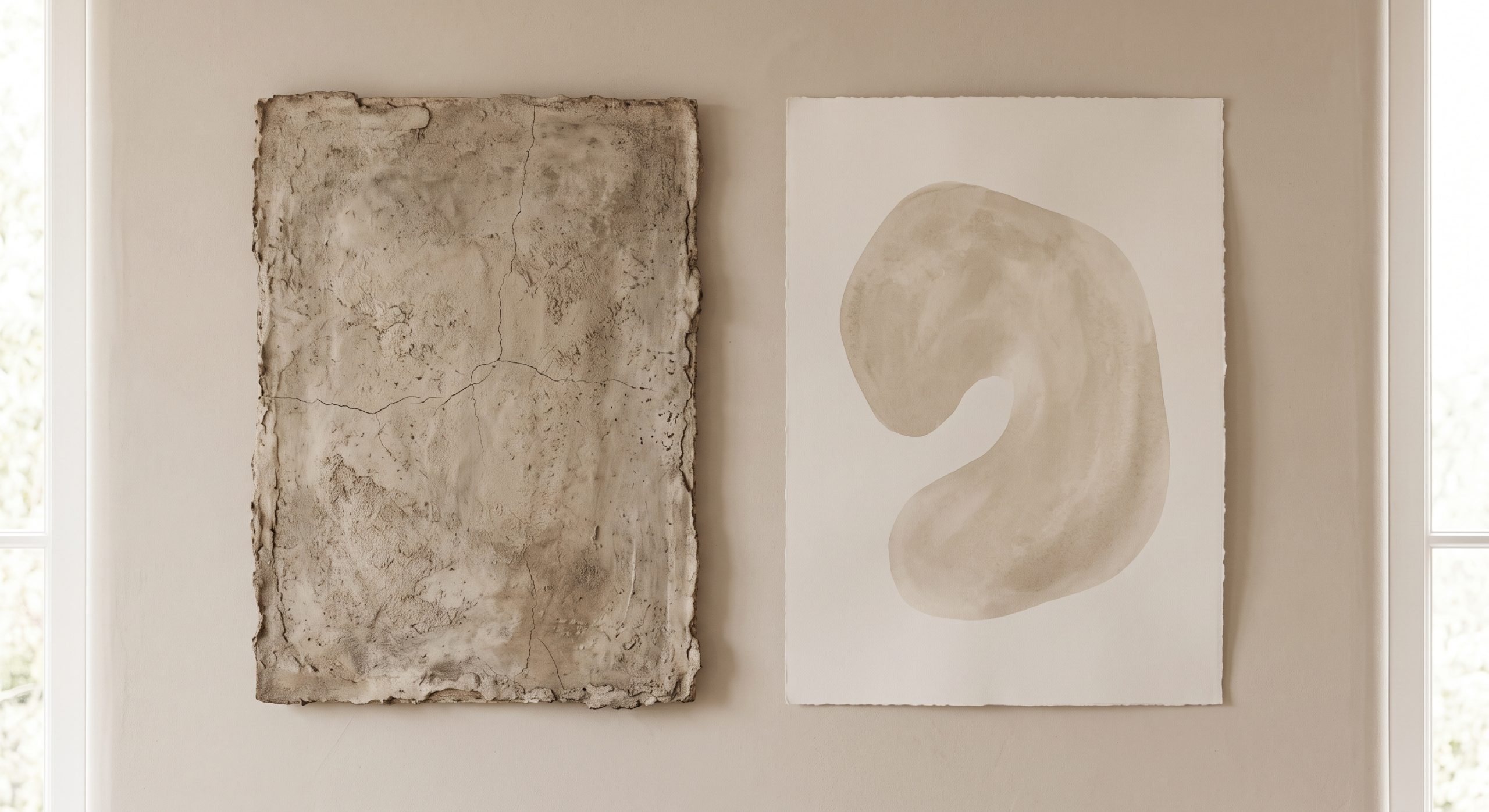
Wabi-sabi grew out of Japanese ideas about simplicity, solitude and the passing of time, and it is closely associated with the tea ceremony, where humble, handmade, slightly irregular objects were valued over flawless ones.
Japandi is a much newer label. It describes the meeting point of Japanese and Scandinavian design values, and it is shaped as much by Nordic ideas of light, comfort and function as by Japanese restraint. Our guide to the Japanese and Scandinavian influences in Japandi art explains each side.
How They Differ in Practice
Attitude to imperfection
Wabi-sabi welcomes it fully. Cracks, wear, uneven glaze and weathering are part of what makes something beautiful.
Japandi welcomes a little. It likes handmade character but usually keeps things tidy, balanced and comfortable. A Japandi room might include a slightly irregular ceramic bowl. A wabi-sabi space might celebrate a bowl with a visible repair.
Relationship with time
Wabi-sabi is centred on age and impermanence. Things gather patina, fade and change, and that change is the point.
Japandi is less concerned with age. It prizes natural materials that age well, but the room is usually curated and freshly composed rather than shaped by decades of wear.
Palette
Wabi-sabi tends towards the weathered and earthy: ash, clay, rust, moss, worn grey, faded brown.
Japandi tends towards the lighter and warmer: oatmeal, cream, sand, pale wood, with soft charcoal or sage as accents. See how colour changes the feeling of abstract art for how palettes shift mood.
Surfaces
Wabi-sabi surfaces look worn, cracked, patinated or softly eroded.
Japandi surfaces look natural and tactile but generally more resolved: matte plaster, smooth oak, linen, ceramic.
Function and comfort
Japandi is influenced by Scandinavian practicality and comfort. Rooms are meant to be lived in easily. Wabi-sabi is not concerned with practicality in that way; it is a way of noticing.
Amount of styling
Japandi is a considered arrangement: a few good things, well placed. Wabi-sabi is less about arrangement than about the character of each object.
What This Means for Art
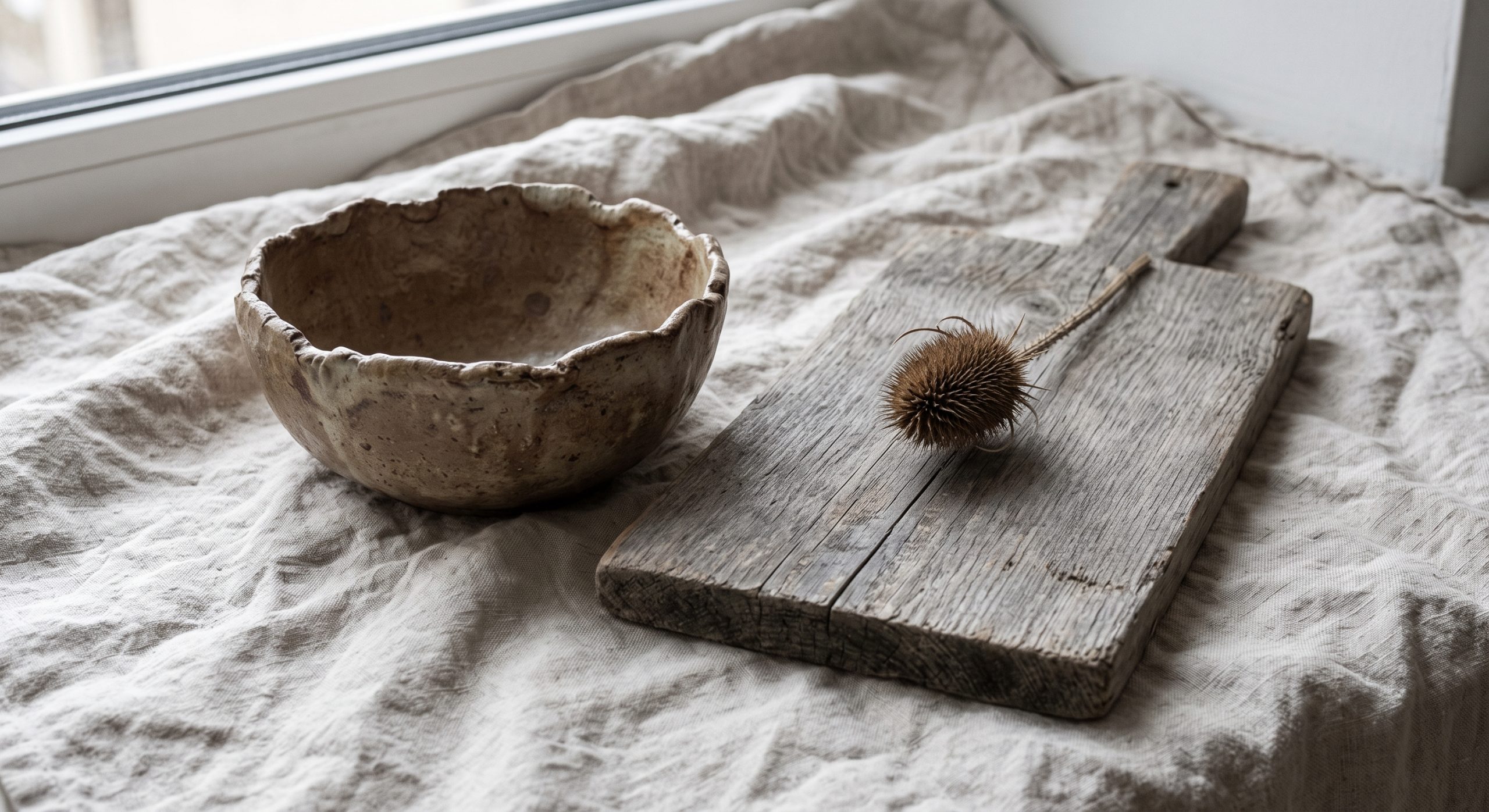
Wabi-sabi art
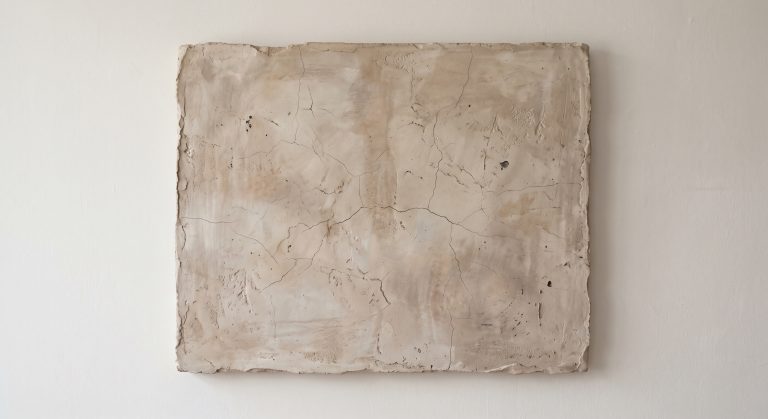
- Cracks, hairline fractures and worn areas
- Uneven, softly eroded edges
- Aged, patinated, sun-faded or weathered colours
- Compositions that feel unfinished or open
It is closely related to the qualities described in textured abstract art, particularly surfaces that suggest a real process of erosion or ageing.
Japandi art
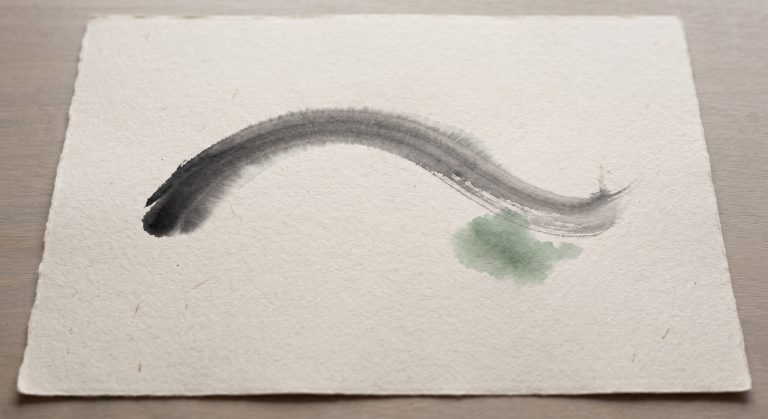
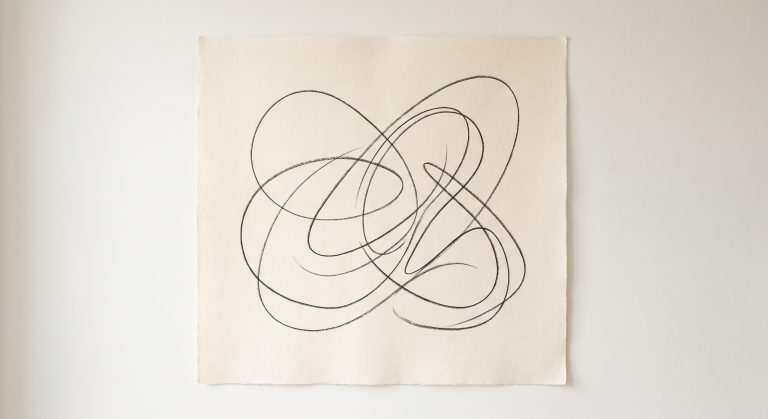
- Soft organic shapes and gentle brush gestures
- Warm, light and earthy palettes
- Generous negative space
- A calm, balanced feel with a light handmade touch
See organic abstract art and negative space in abstract art for the kinds of pieces that fit.
A Simple Way to Tell Them Apart
Ask three questions about a piece or a room.
- Does it celebrate wear and age, or just handmade character? Celebrating wear points to wabi-sabi.
- Does it feel weathered, or calm and curated? Weathered points to wabi-sabi; calm and curated points to Japandi.
- Is the palette dark and earthy, or light and warm? Dark and earthy leans wabi-sabi; light and warm leans Japandi.
Can You Combine Them?
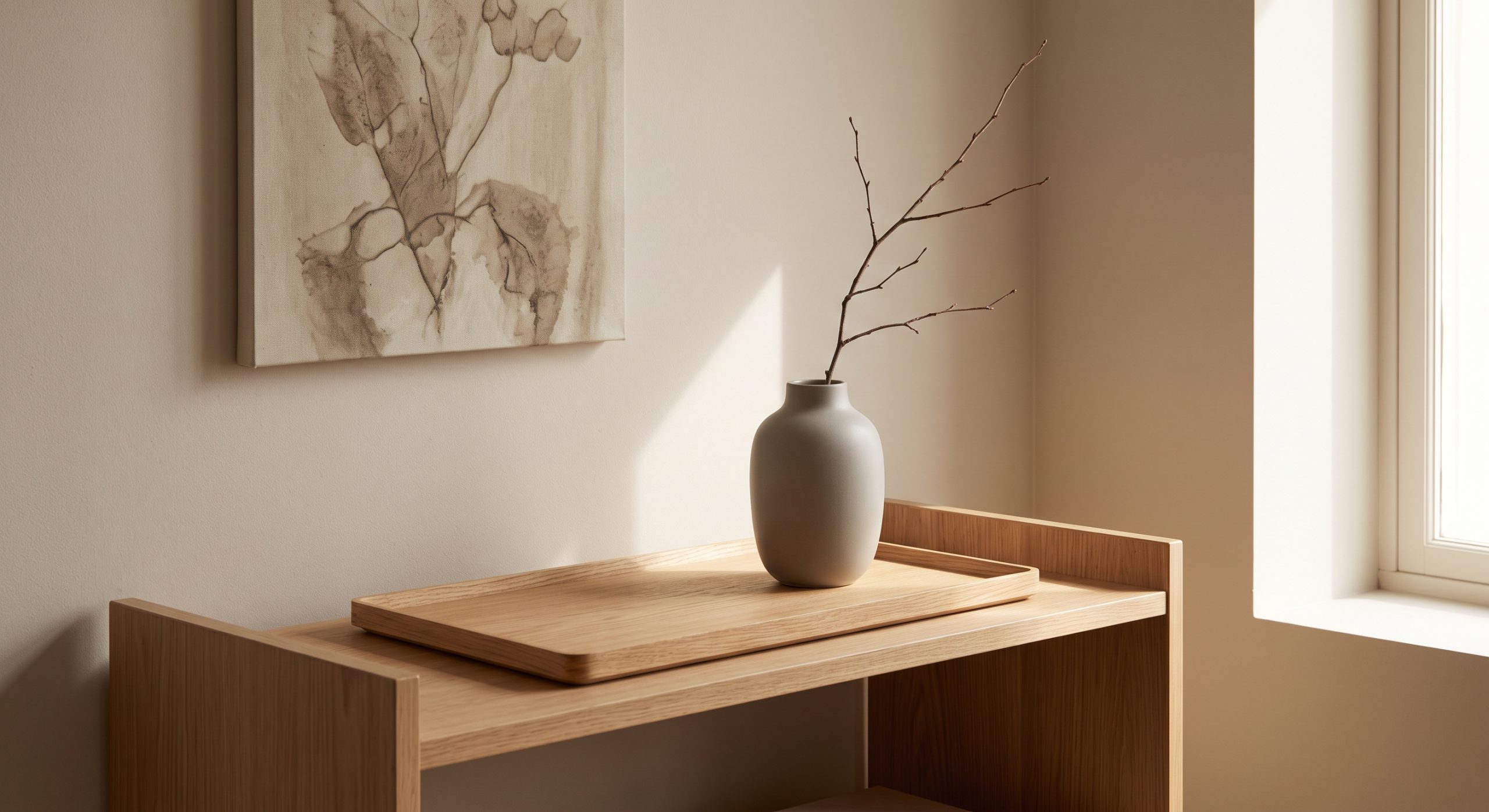
Yes, and many of the best rooms do. A Japandi room can gain depth from a wabi-sabi piece: a softly cracked plaster-toned artwork, a hand-formed vase, a weathered wooden bench. The trick is to keep the rest of the room calm and let one or two pieces carry the imperfection.
The reverse is harder. A wabi-sabi space filled with pristine, glossy objects loses the very quality it depends on.
Common Misunderstandings
- “Wabi-sabi is a style you can buy.” It is a way of looking. Products can reflect it, but the idea is closer to an attitude than a product category.
- “Japandi is just wabi-sabi.” Japandi borrows from wabi-sabi but also draws heavily on Scandinavian design.
- “Both mean beige.” Both use natural palettes, but neither is defined by beige.
- “Fake distressing counts.” Applied wear tends to look like costume. Genuine wabi-sabi suggests a real process. The same distinction between convincing and superficial texture appears in textured abstract art.
Which Should You Choose?
Choose wabi-sabi if you love patina, weathered surfaces and the beauty of age, and your space can carry a rougher, earthier character.
Choose Japandi if you want calm, warmth and light, with natural texture but a tidier overall effect.
Choose a blend if you want a calm room with a little depth and history. For choosing and placing art, see how to choose abstract art for your home.
If you are also weighing the more precise, cooler alternative, read Japandi vs minimalist art.
Final Thoughts
Wabi-sabi asks you to see beauty in what is imperfect and passing. Japandi asks you to build a room that is calm, warm and well made.
They are natural companions, but they are not twins. Knowing which is which lets you choose art that fits the feeling you actually want, and that is much better than choosing by label.