Minimalist Line Art: What Makes It So Appealing?
A single line. That is often all a piece of minimalist line art contains.
And yet a well-drawn line can suggest a leaf, a shoulder, an arch, a mood. It can look effortless, and it almost never is.
This guide explains what minimalist line art is, why it appeals to so many people, what separates a confident line drawing from a merely pretty one, and how to use it in your home. If you’re new to the wider subject, our guide to what minimalist art is and our pillar on what abstract art is provide useful background.
What Is Minimalist Line Art?
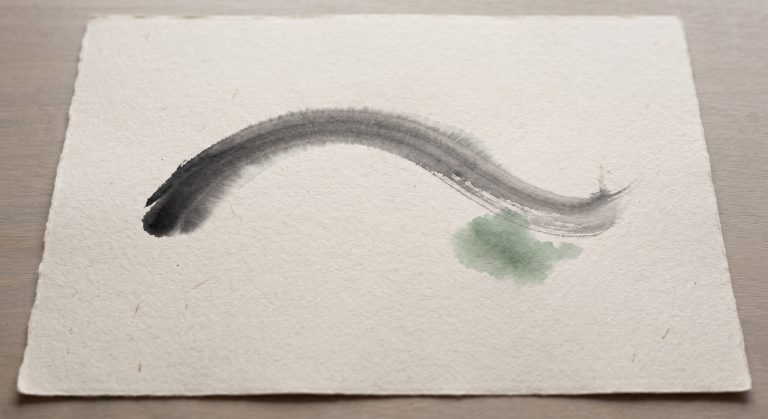
Minimalist line art describes artwork built almost entirely from simple lines, usually a single colour on a plain ground, with little or no shading, fill or detail.
The subject might be a botanical branch, a face, a figure, a building, an animal or a purely abstract form. What defines it is economy: as few marks as possible, each one carefully placed.
Why Line Art Is So Appealing
It feels effortless
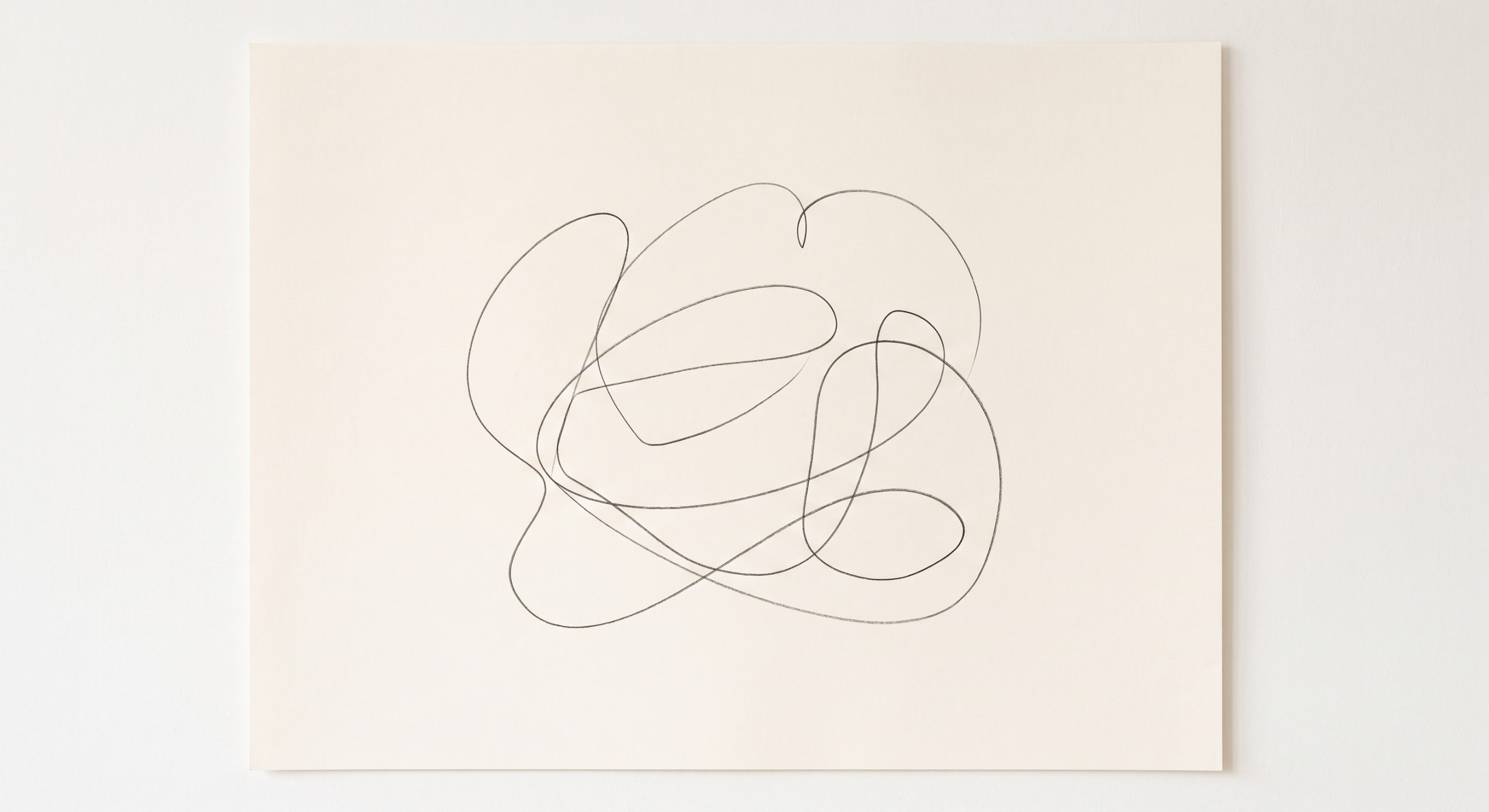
A confident line has the clarity of a thought. It suggests that the artist knew exactly what to say and said it once.
It lets you complete the picture
Psychologists describe a tendency, sometimes called closure, in which the brain fills in gaps in an incomplete shape. A few lines can suggest a whole face or plant because we supply the rest. That small act of participation is part of the pleasure.
It is quiet
With no heavy colour or dense detail, line art rarely dominates a room. It adds intelligence without noise.
It is versatile
Fine line art suits bedrooms, hallways, studies and shelves, and it mixes easily with other styles.
A Short History of the Line
Line drawing is as old as drawing itself, but the modern taste for a single, elegant line owes a great deal to twentieth-century masters. Pablo Picasso produced celebrated drawings of animals and figures in a single unbroken line, and Henri Matisse’s fluid, economical line drawings are among the most admired of his late work.
Their drawings showed that a line could be expressive, witty and complete on its own, and contemporary minimalist line art continues in that spirit.
Types of Minimalist Line Art
Continuous line
The line is drawn without lifting the pen, so the whole image is a single unbroken path. It has a flowing, meditative rhythm.
Botanical line art
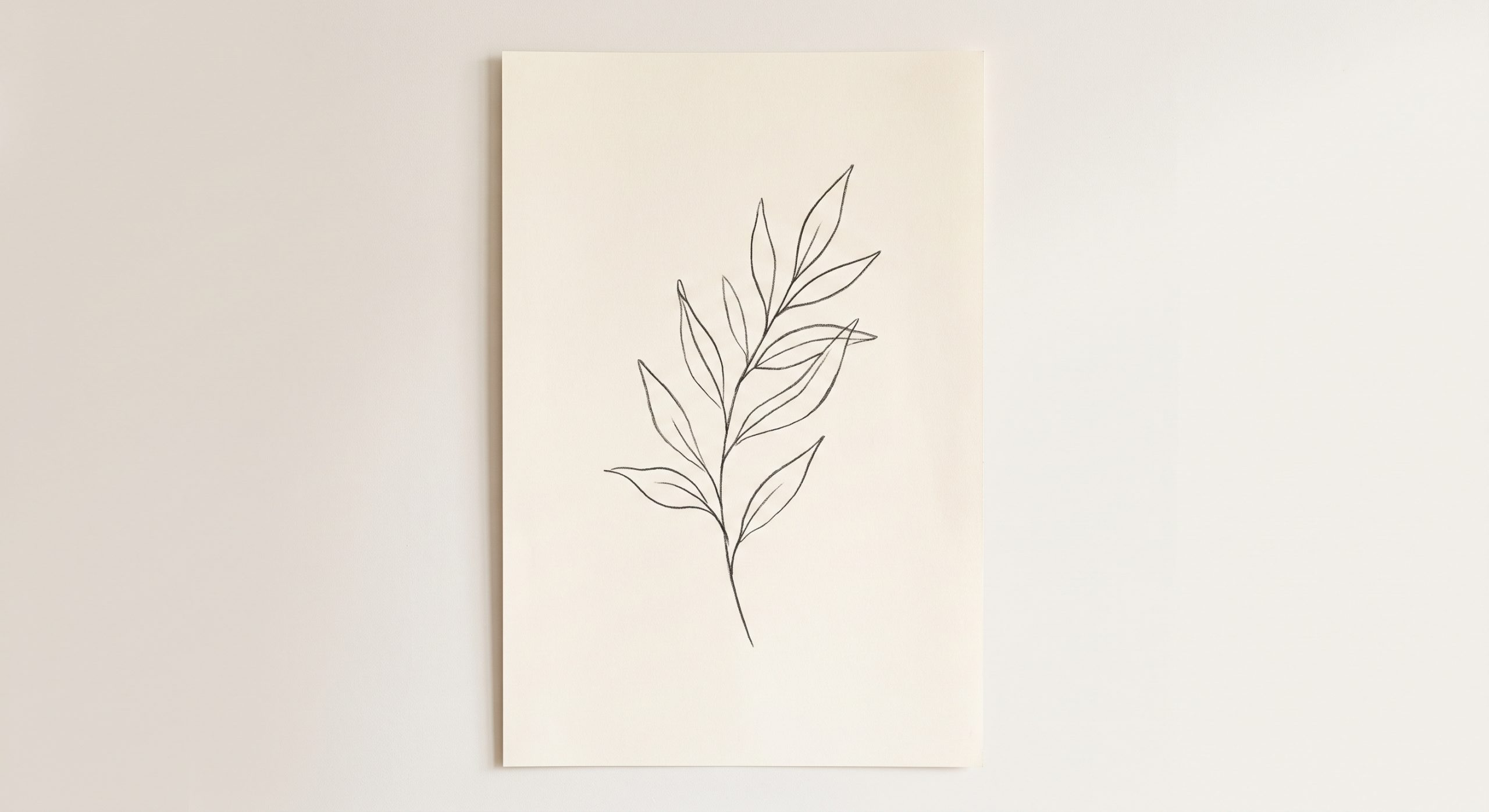
A leaf, a stem, a branch or a flower in a few fine strokes. Botanical line art brings a natural note into a room without heavy colour.
Abstract line art
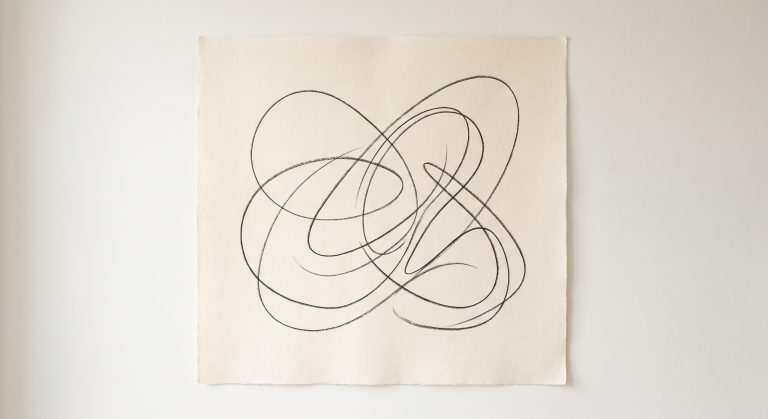
Flowing or angular lines that do not depict any object. The subject is the movement and balance of the line itself.
Figurative line art
Faces, hands and bodies suggested in a few strokes, often the most emotionally direct form.
Architectural line art
Arches, doorways, rooflines and simple structures, often with a calm, geometric feel.
What Separates Good Line Art From Generic Line Art
Because line art looks simple, it is easy to produce a weak version. The strongest pieces tend to share these qualities.
- A confident gesture. The line moves with purpose. Hesitant, wobbly or overworked lines feel timid.
- Controlled weight. Line thickness is consistent, or varies for a reason. Random thick-and-thin changes look accidental.
- Meaningful negative space. The empty area is composed too, not just what is left over. See negative space in abstract art.
- Some tension or form. A piece needs enough shape, curve or contrast to hold a wall. Purely polite, evenly spaced doodles fade into the background.
- Balance. The line’s weight is distributed so the composition feels resolved. See understanding balance in abstract art.
- Variety within a set. If you are buying several pieces, they should relate without repeating each other.
Choosing the Ground and the Colour
Most minimalist line art uses black or charcoal on white. That is crisp and graphic, but there is a softer route: charcoal or deep brown line on warm ivory, cream or oatmeal paper. The warmer ground feels gentler and pairs better with natural materials, and it suits Japandi and warm neutral interiors especially well. For palettes in general, see how colour changes the feeling of abstract art.
Line Art in the Home
Line art is one of the easiest kinds of art to place.
- Bedrooms: a single figure or abstract line above the bed for calm.
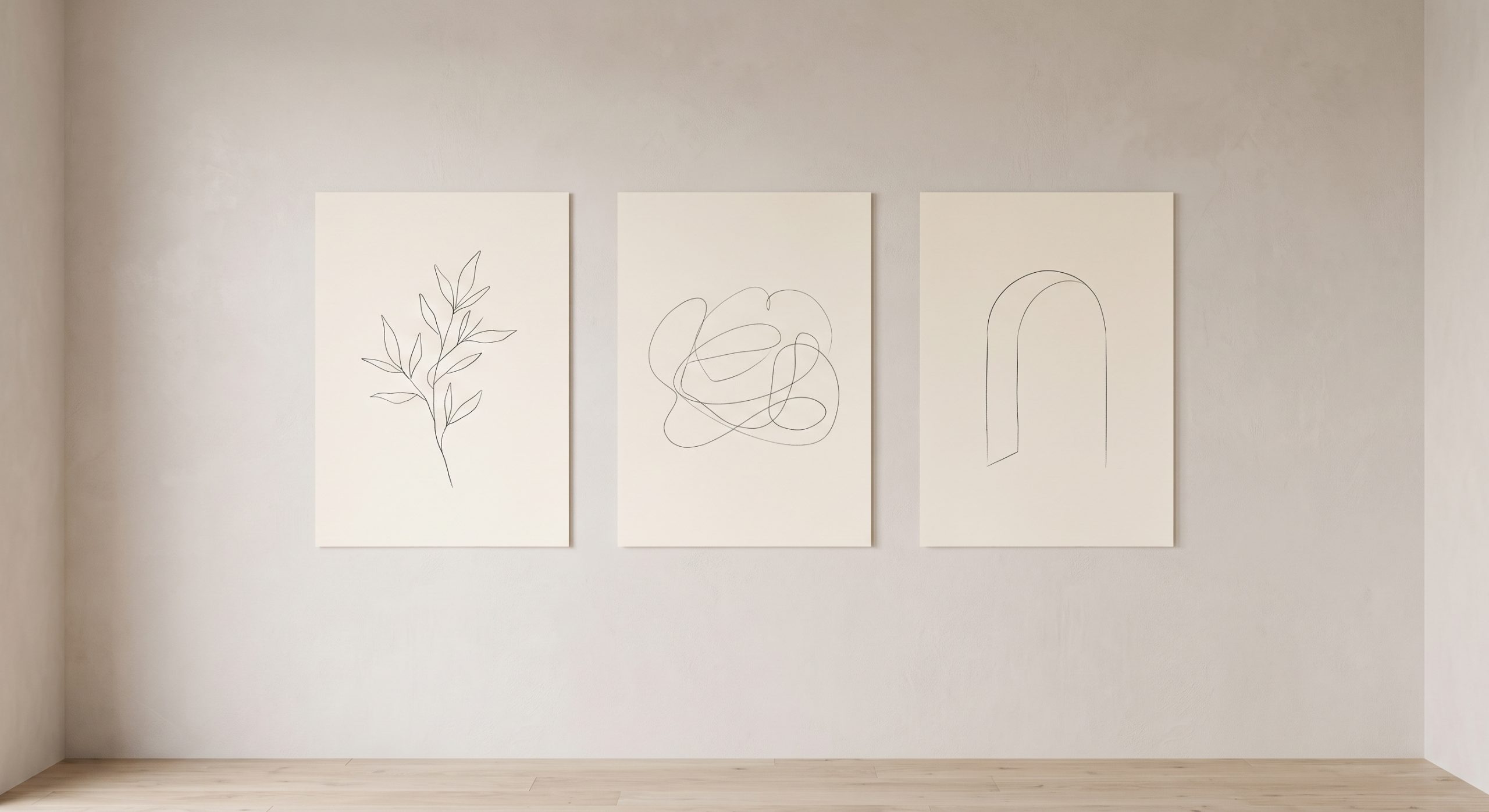
- Hallways: a row of line drawings creates rhythm along a wall.
- Studies and offices: a quiet, thoughtful piece that does not distract.
- Shelves and consoles: a small framed piece leaning on a shelf feels relaxed.
Pairing Line Art With Other Art
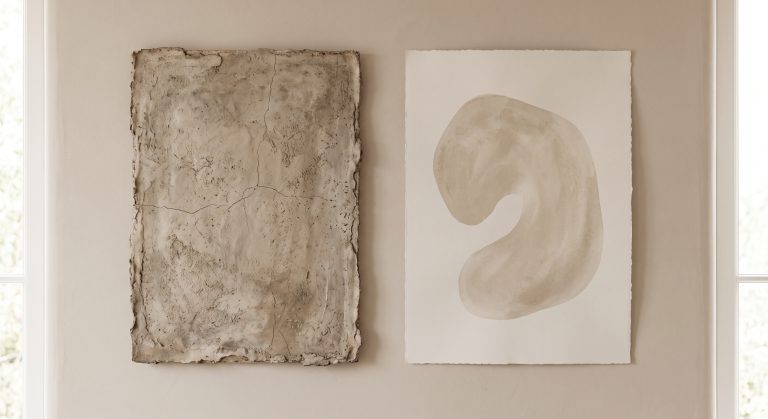
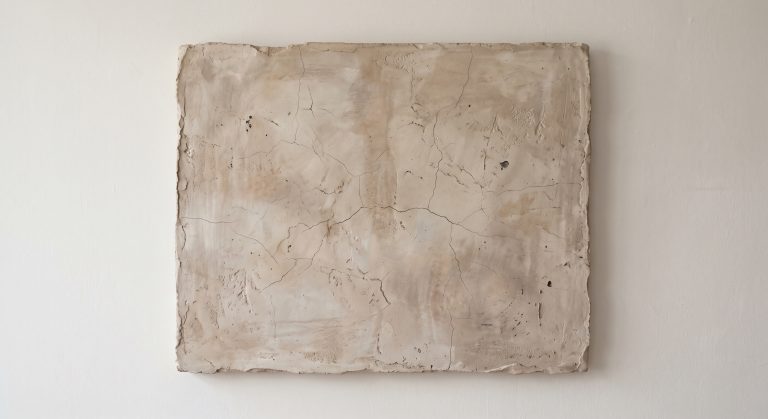
Line art gains presence beside something with more body. A fine drawing next to a textured abstract piece creates a pleasing contrast between surface and line. Keep a shared palette so the two feel related rather than random.
Framing and Presentation
Delicate line work benefits from generous breathing room. A wide mat (the paper border inside a frame) gives the line space and makes a small drawing feel more substantial. Simple thin frames in pale wood, black or white usually suit best. And because line art is delicate, choose a good quality, matte paper so the line stays crisp.
How to Choose Minimalist Line Art
- Look at the line first. Is it confident and controlled?
- Check the composition. Does the line sit well on the page, with purposeful space around it?
- Consider the subject. Botanical, abstract, figurative or architectural: which suits the room?
- Choose the ground colour to suit your palette.
- Decide on scale. A small drawing works on a shelf; a large one can anchor a wall.
For a full walkthrough on scale, placement and mood, see how to choose abstract art for your home.
Final Thoughts
Minimalist line art shows how much a single line can hold.
Choose pieces where the line has confidence and the space around it has been thought about, and they will look fresh for years. Because in the end, the best line art does not look simple. It looks inevitable.