Textured Abstract Art: A Guide to Texture, Depth and Dimension
Textured abstract art brings real depth to a piece. Learn how texture is created, what makes it convincing, and how to use it in calm, neutral interiors.
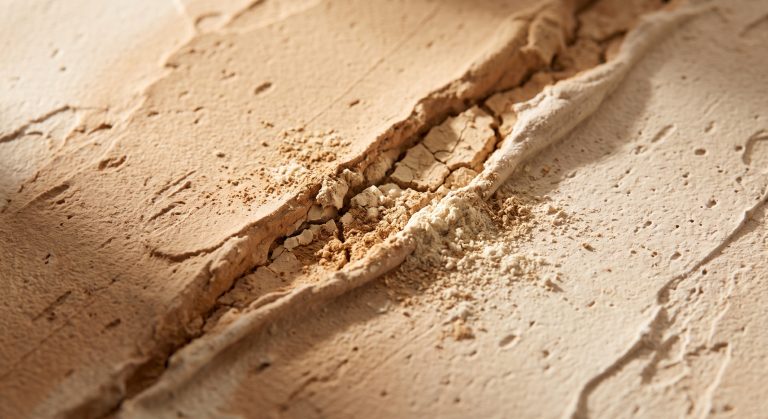
Textured abstract art brings real depth to a piece. Learn how texture is created, what makes it convincing, and how to use it in calm, neutral interiors.
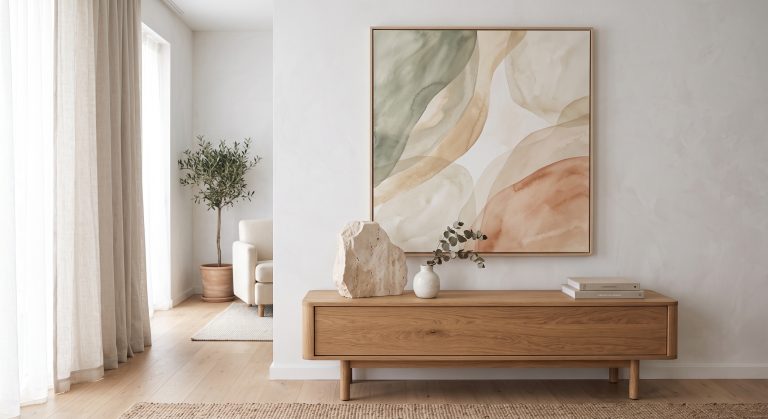
Curved, flowing forms feel restful in a way sharp shapes rarely do. Learn what defines organic abstract art, why it feels calm, and how to use it in your home.
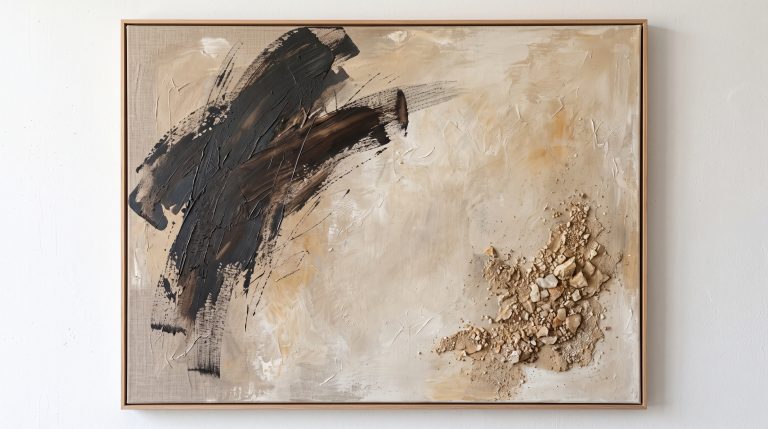
Balance is what makes an abstract composition feel resolved. Learn how visual weight works, and the difference between symmetrical, asymmetrical and radial balance.
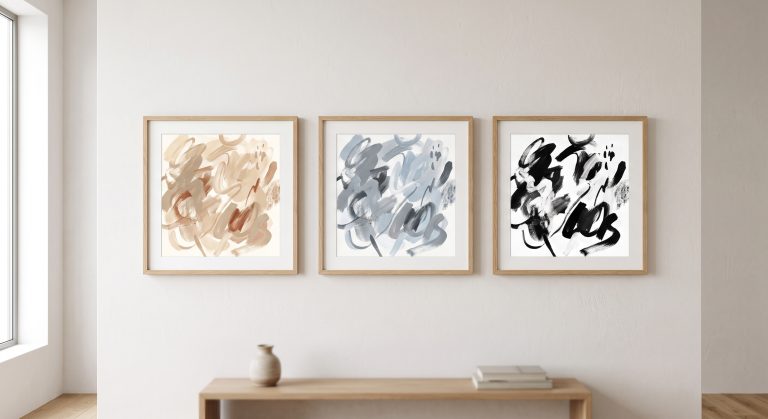
Colour carries most of the emotional weight in abstract art. Learn how warm neutrals, cool tones, contrast and muted accents change the feeling of a piece and a room.
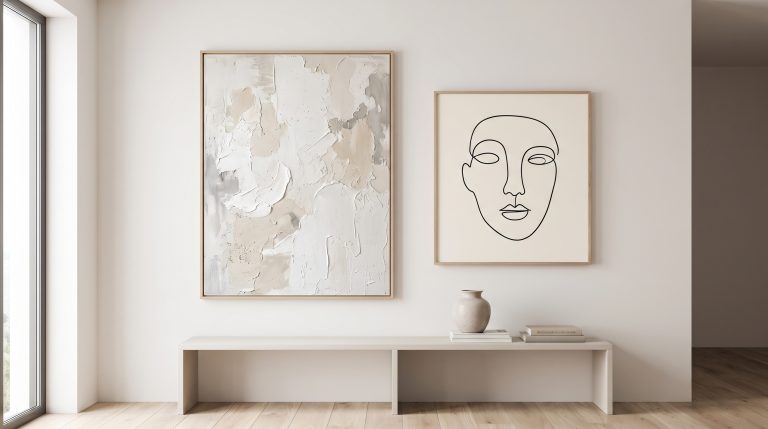
Abstract describes how art looks; contemporary describes when it was made. Here is how the two terms overlap, where they differ, and why it matters when you choose art.
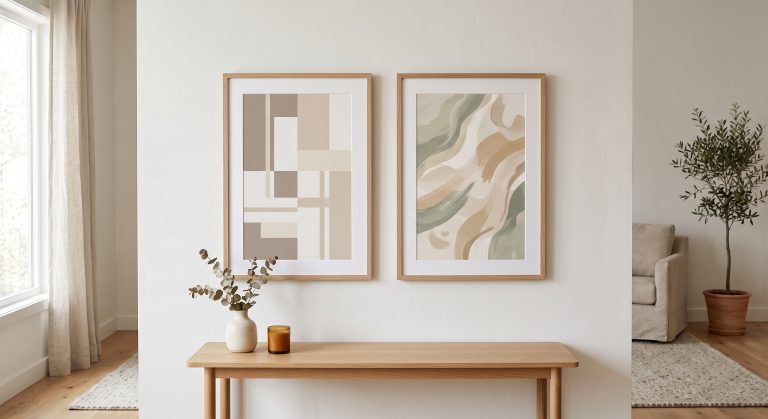
Geometric, organic, gestural, colour field, minimalist and textured: a practical guide to the main types of abstract art and how to recognise each one.
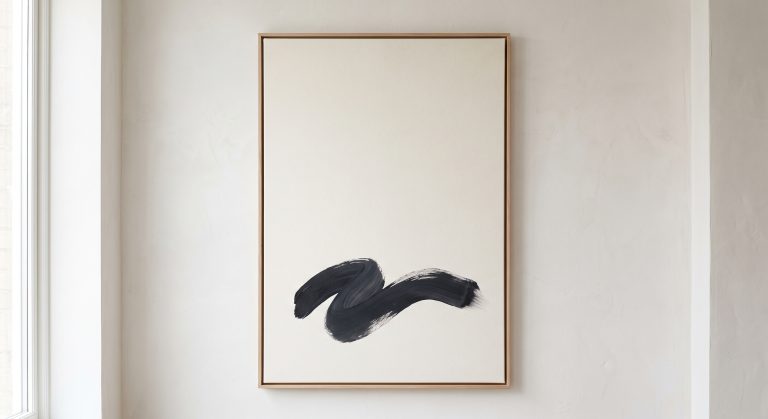
What is abstract art? Explore abstract art styles, texture, colour, composition, negative space and how to choose abstract artwork for your home.
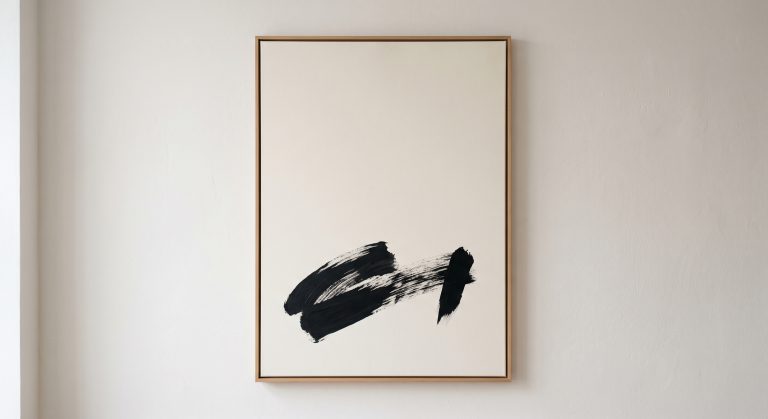
Empty space is doing real work in abstract art. Learn what negative space is, how it creates calm, emphasis and movement, and how to use it in your own rooms.
We use cookies to improve your experience on our site. By using our site, you consent to cookies.
Manage your cookie preferences below:
Essential cookies enable basic functions and are necessary for the proper function of the website.
These cookies are needed for adding comments on this website.