Wabi-Sabi vs Japandi: What’s the Difference?
Wabi-sabi is a philosophy of imperfection; Japandi is a contemporary interior style. Learn how they differ, how each shows up in art, and how to choose between them.

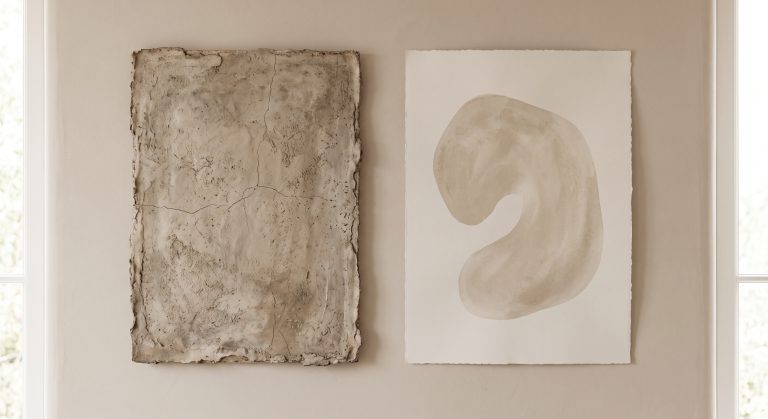
Wabi-sabi is a philosophy of imperfection; Japandi is a contemporary interior style. Learn how they differ, how each shows up in art, and how to choose between them.
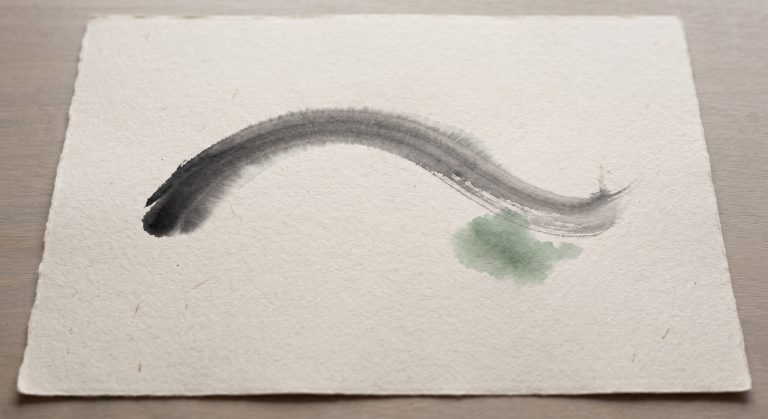
Japandi blends two design traditions. Learn what Japanese and Scandinavian influences each bring to art, where they overlap, and how to choose pieces that reflect both.
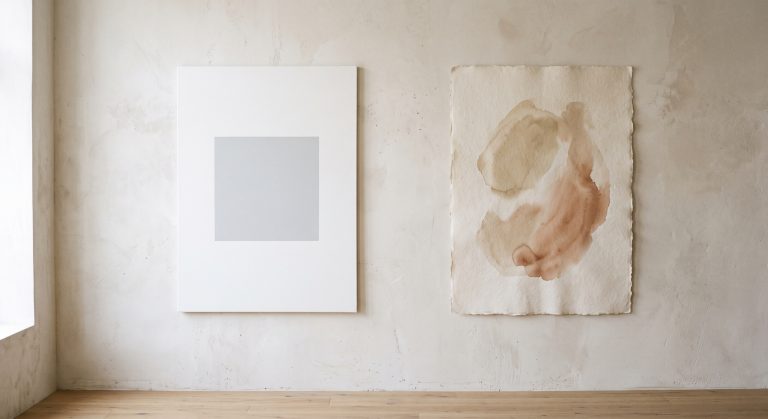
Japandi and minimalist art both value restraint, but one is precise and cool while the other is warm and softly imperfect. Learn the difference and how to choose.
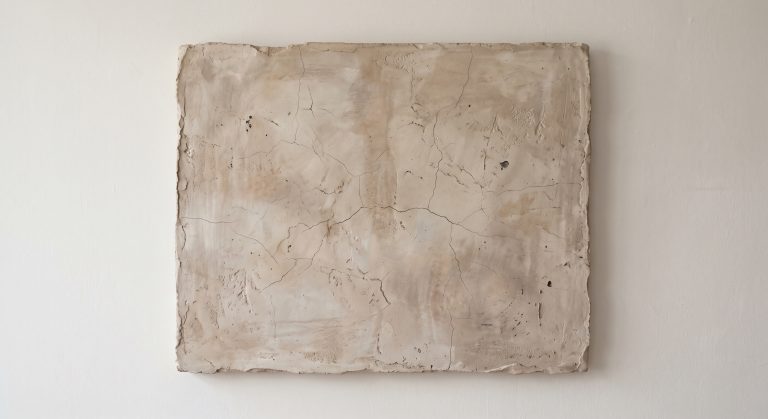
Wabi-sabi finds beauty in imperfection, impermanence and incompleteness. Learn what wabi-sabi art looks like and how to bring the idea into your home.
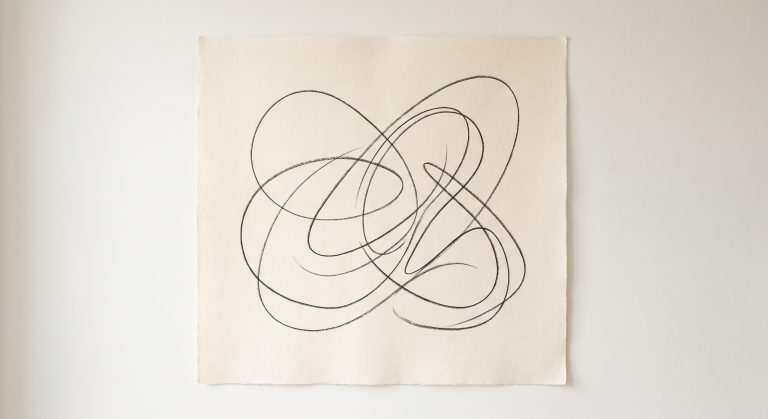
Abstract line art makes the line itself the subject. Explore eight ideas, how to style them room by room, and how to choose pieces with real presence.
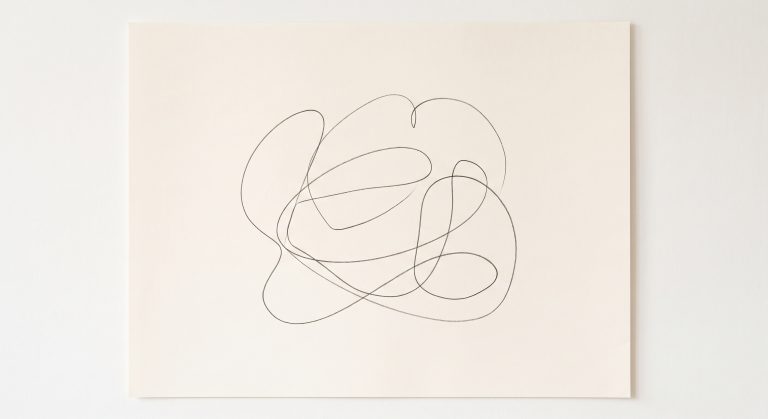
Minimalist line art says a lot with a single line. Learn what it is, why it appeals, what makes a confident drawing, and how to use it at home.

Japandi art blends Japanese and Scandinavian sensibilities: calm, natural, restrained and quietly handmade. Learn what it looks like and how to choose it.
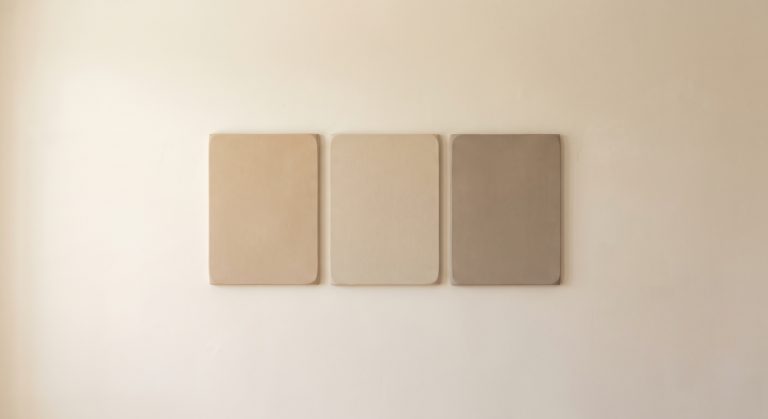
Minimalist art strips a work down to its essentials. Learn what it is, where it came from, what defines it, and how to live with it at home.
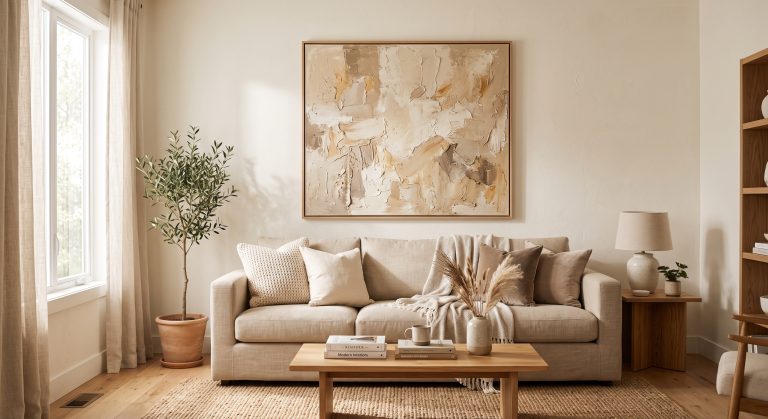
A practical step-by-step guide to choosing abstract art for your home, covering mood, room style, colour, scale, texture and composition.
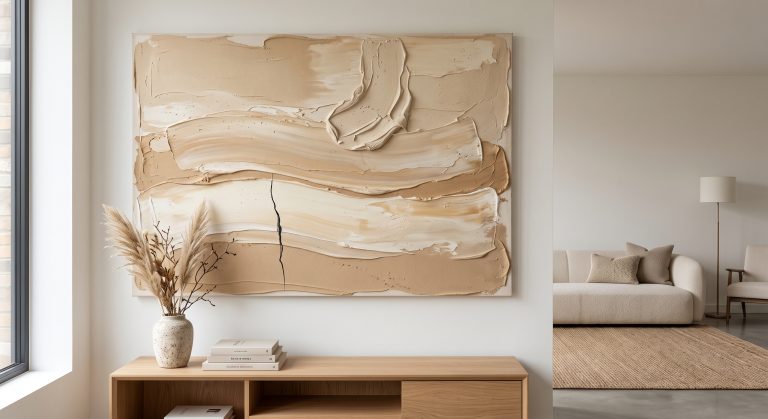
Beige abstract art does not have to feel flat. Learn how tonal layering, texture and undertone turn warm neutrals into sophisticated wall art for calm interiors.
We use cookies to improve your experience on our site. By using our site, you consent to cookies.
Manage your cookie preferences below:
Essential cookies enable basic functions and are necessary for the proper function of the website.
These cookies are needed for adding comments on this website.