What Is Bas Relief Art?
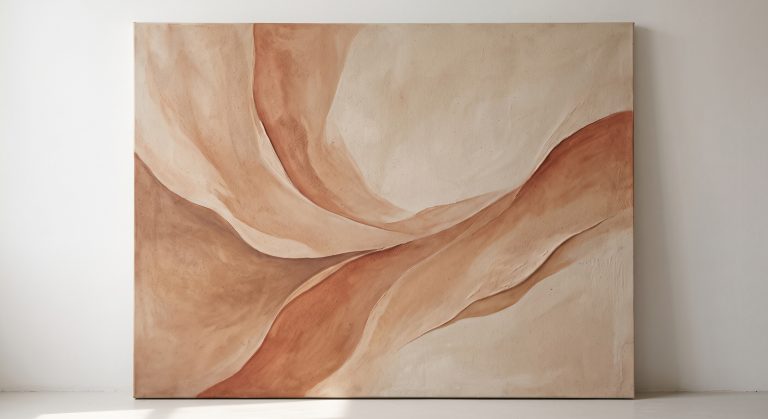
Some of the oldest surviving art in the world isn’t painted. It’s carved, just barely, so the form seems to rise out of the surface itself rather than sit on top of it. That effect, a shape emerging from a flat plane rather than standing free of it, is what bas relief has offered for thousands of years, and it still works in a contemporary room.
This guide explains what bas relief actually is, how it differs from other sculptural and textured approaches, and how to use it at home. For the wider category it belongs to, see what is textured wall art.
What Is Bas Relief?
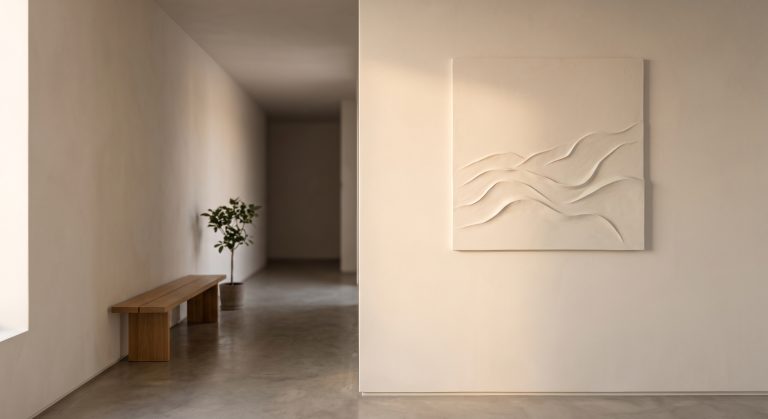
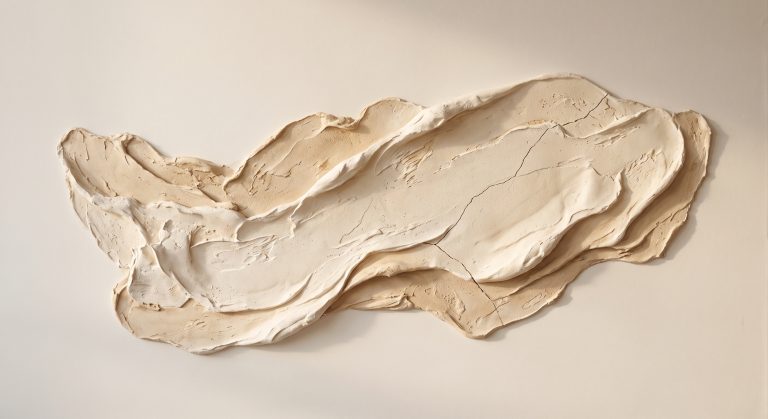
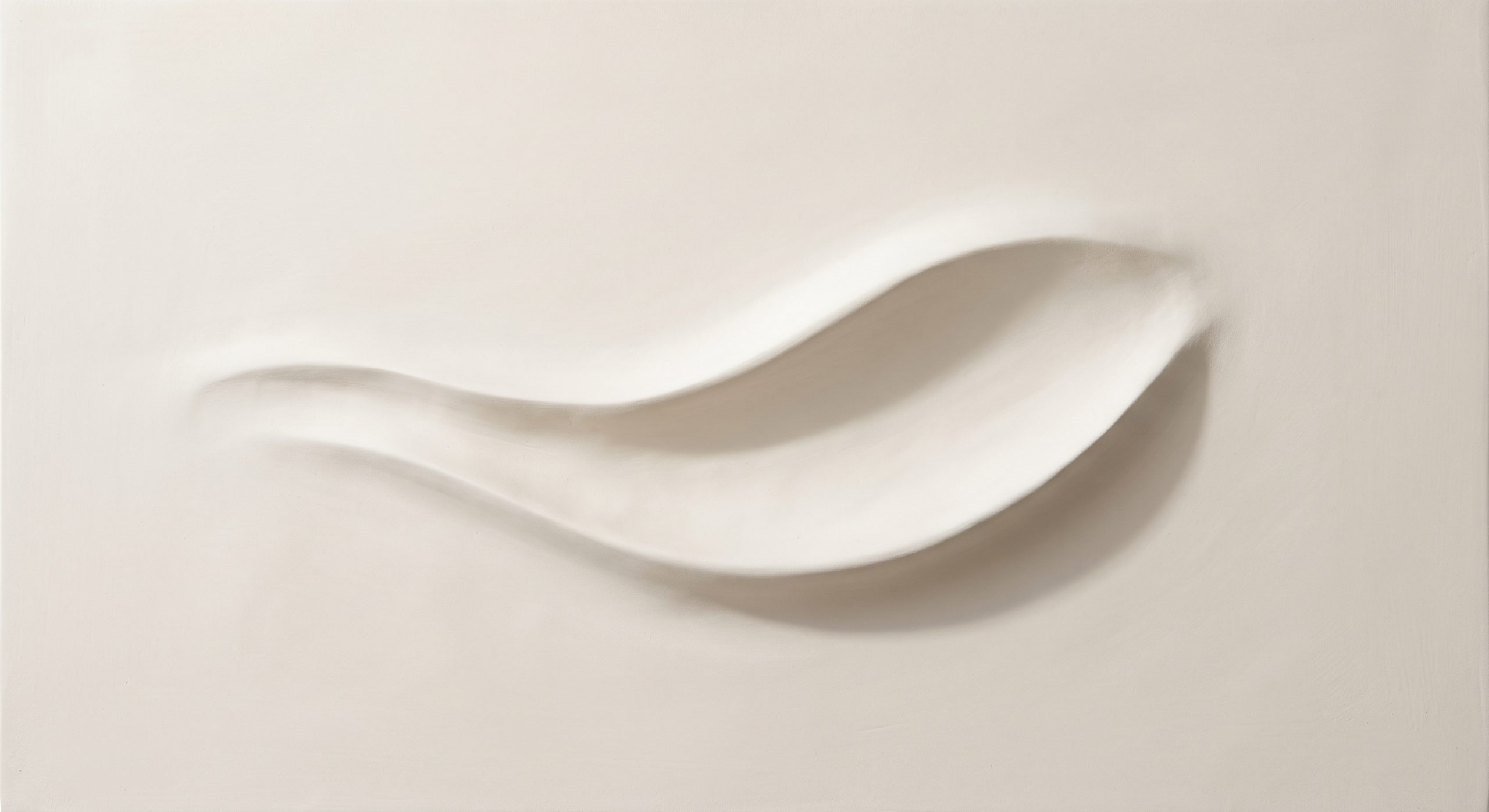
Bas relief, from the French for “low relief,” is a sculptural technique in which a design is raised only slightly from its background. The form projects just enough to catch light and cast a soft shadow, but it remains attached to, and part of, the flat surface behind it.
It sits between two extremes: a flat painting, which has no physical projection at all, and free-standing sculpture, which is fully three-dimensional and detached from any background. Bas relief occupies the shallow middle ground, and that in-between quality is exactly what gives it its particular, quiet drama.
A Long History, Briefly
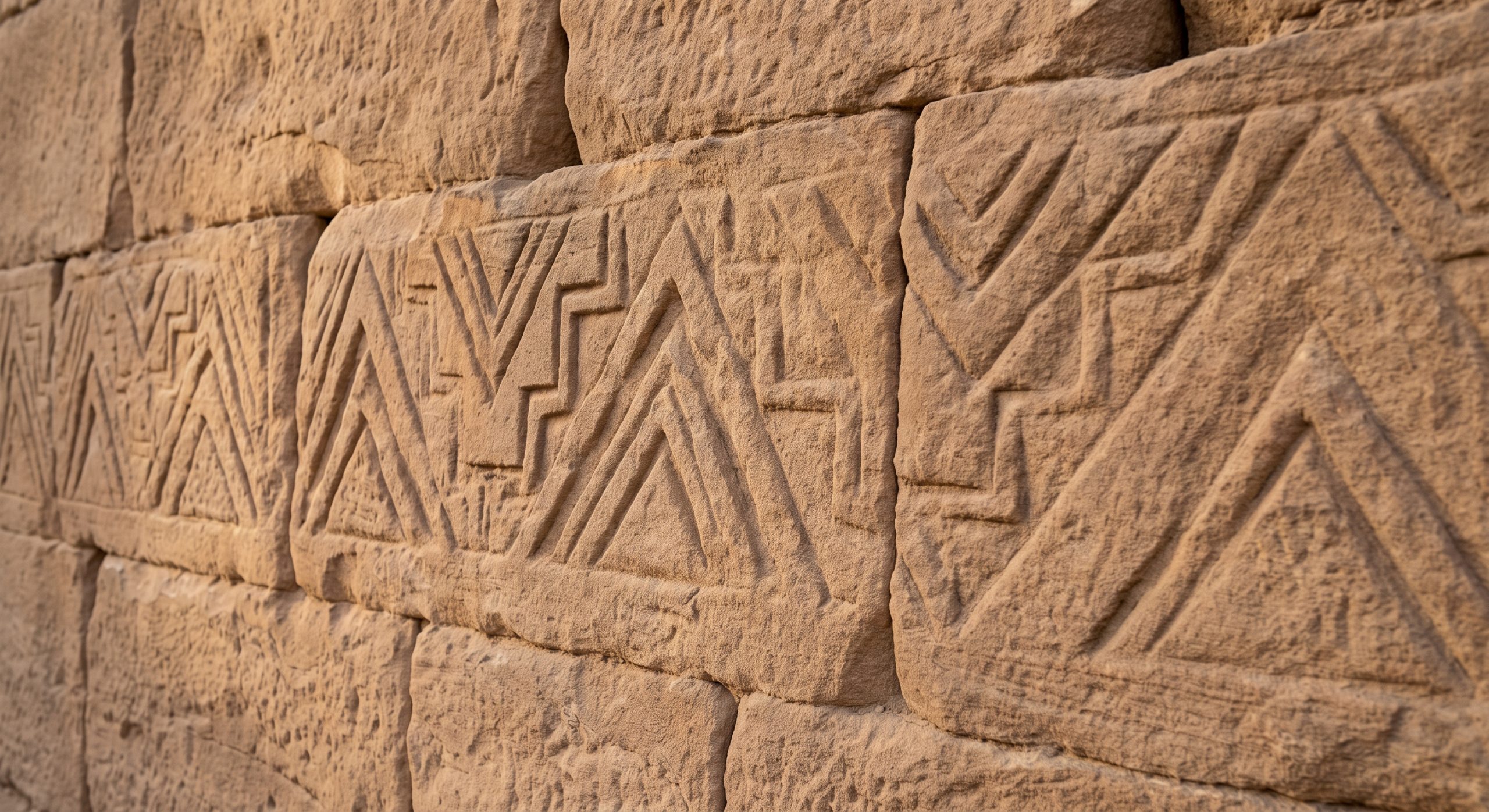
Relief carving is one of the oldest art forms, found on ancient temples, tombs and architectural friezes across many civilisations, from Egyptian and Assyrian monuments to classical Greek and Roman architectural decoration. Because the form barely projects from the wall, it was often used to decorate large architectural surfaces without requiring the material or structural demands of free-standing sculpture.
Contemporary bas relief keeps that same shallow-depth idea but frequently drops the historical, figurative subject matter in favour of abstract or organic forms, which is where it connects most directly with modern wall art.
Bas Relief vs Other Textured Techniques
- Bas relief is a specific, shallow, raised form against a flat background, closer to sculpture than surface texture.
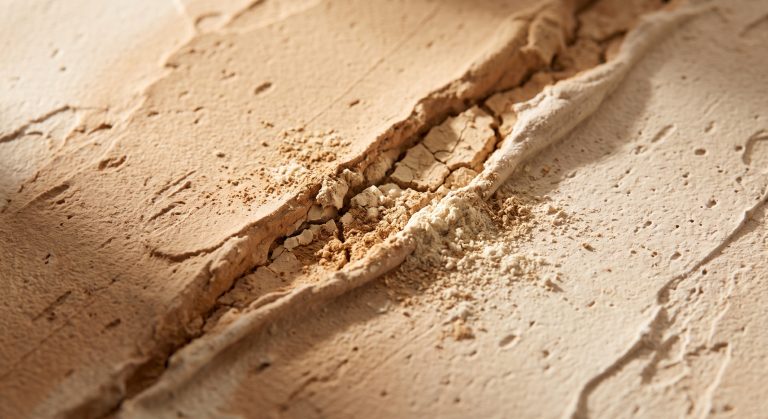
- General textured wall art covers a much broader range of surface effects, from fine granular texture to deep cracking, without necessarily forming a distinct raised shape. See what is textured wall art.
- Plaster art often provides the material bas relief is built from, but plaster art doesn’t have to take a relief form at all. See plaster art.
In short, all bas relief is textured, but not all textured art is bas relief.
What Makes Bas Relief Feel Considered
The most effective contemporary bas relief pieces tend to share a few qualities.
- A single clear form, rather than several competing shapes
- Consistent, shallow depth, so the shadow reads as deliberate rather than accidental
- Generous flat space around the raised form, which is what makes it read clearly. See negative space in abstract art.
- A palette close to monochrome, since colour contrast can compete with the shadow-based contrast that gives relief its depth
Why Light Matters Even More Here
Because the projection is shallow, bas relief depends heavily on the angle of light to be visible at all. Light from directly in front will largely flatten the piece, since there’s little shadow to be cast. Light from the side, raking across the surface, is what reveals the form clearly.
This makes wall position genuinely important, more so than for most other art. A bas relief piece placed where it only ever receives flat, frontal light will underperform badly compared with the same piece lit from an angle.
Bas Relief in a Room
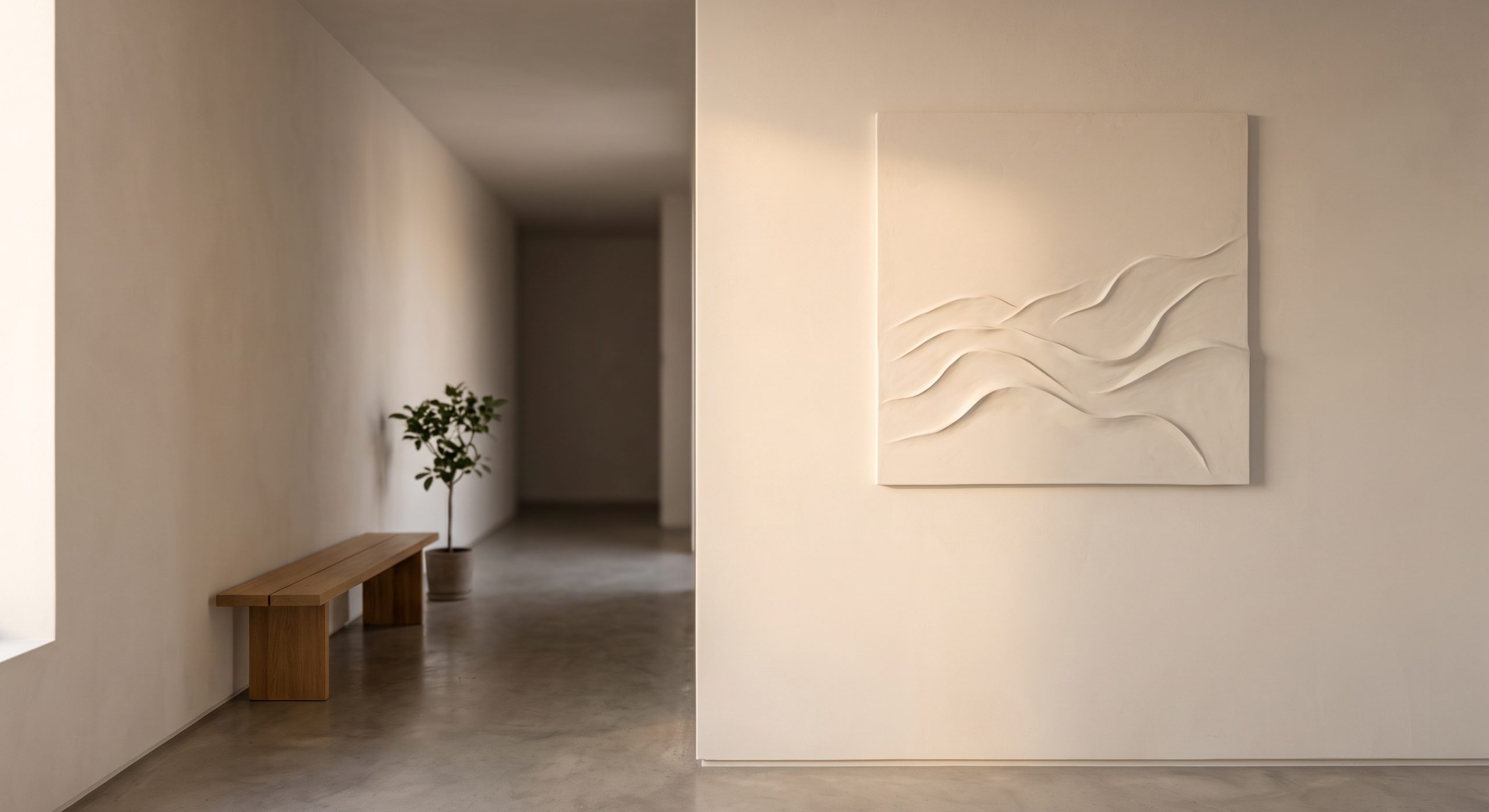
Bas relief suits walls near a window, or with a nearby wall-mounted light positioned to one side rather than directly in front. It works particularly well in neutral, minimal and organic modern interiors, where its monochrome, sculptural quality can act as a quiet focal point without introducing colour. See organic modern art explained for that wider aesthetic.
How to Choose Bas Relief Art
- Check where it will hang, and whether that wall gets any side light.
- Look for one clear form rather than a busy composition.
- Favour a restrained, close-to-monochrome palette so shadow carries the visual weight.
- Confirm whether the piece is an original with real depth, or a print depicting the appearance of relief, since only the original will respond to changing light.
Final Thoughts
Bas relief asks very little of a wall, a few centimetres of projection, and gives back a surprising amount of depth in return. Give it the right light, keep the composition restrained, and it will do something a flat piece simply can’t: change quietly through the day as the shadows move across it.